

On 12 January 1995, 18-year-old Christa Pike participated in the horrific torture and murder of 19-year-old Colleen Slemmer in Knoxville, Tennessee.
There is no reason to soften what happened to Colleen. She was lured to an isolated area, beaten, cut and tortured before being killed. The attack lasted for more than half an hour. Pike was convicted of first-degree murder the following year and sentenced to death. She has spent approximately three decades on Tennessee’s death row.
Nothing that I am about to write excuses that crime.
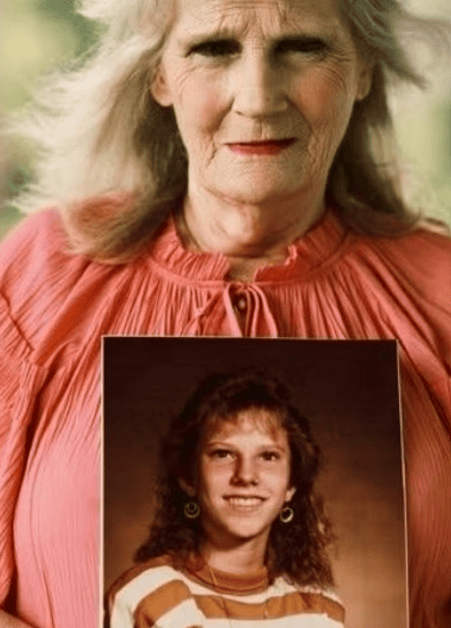
Image source: Clarin.com
Nor is this article intended to decide whether Christa Pike is a good person, whether she deserves forgiveness from Colleen’s family, or even whether the death penalty itself is morally right or wrong.
Something happened in Tennessee after the execution attempt that has left me thinking about an entirely different question.
Who ultimately decides when a human’s life ends?

On September 30, 2026, Tennessee attempted to execute Christa Pike by lethal injection.
It did not go according to plan.
Witnesses reported that even after the drugs had been administered she continued breathing, and at times could be heard snoring.
I do find the word snoring interesting. Because what came to mind was the death rattle that one often hears coming from a dying person, so I had wondered if what she was doing was more that kind of sound that others perhaps mistook for snoring.
Tennessee’s execution protocol called for pentobarbital, a powerful barbiturate. Pike received not one but two doses.
She survived both.

She was eventually removed from the execution chamber and transported to hospital, critically ill and unconscious.
At the time of writing, the independent investigation is still ongoing. However, further details have emerged through court filings, including allegations that approximately ten needles were used during the execution attempt. Tennessee’s corrections commissioner has since resigned, and the governor has suspended further executions for the remainder of 2026 while the investigation continues. But all this is hindsight. Getting back to my thoughts on this…
For days, she remained unconscious and on a ventilator and I half followed the pop ups that randomly appeared on my laptop, because it’s hard not to when one is in the middle of a chess match, Township Regatta or trying to correctly say “Oh no, we are working on Friday” in German on DuoLingo.
But then came the part of this story that grabbed my full attention and gave me pause for thought.

According to her lawyer Randall Spivey, as late as Monday, Pike’s legal team believed she was brain-dead and expected that life support would be withdrawn the following day. In fact by the next day, when things began to change drastically, Christa Pike, and this is only a suspicion, had already been extubated. But I digress, so hear me out.
Tuesday came, Christa Pike woke up and she began talking!!! I was like: Wait… what?!?
THIS is why I believe she had already been extubated. She MAY have still been on other parts of life support up until that moment, but if she began talking as soon as she woke up, then she couldn’t have been intubated at the time. Anyone with medical experience, or anyone who has been on life support in the past, feel free to correct me in the comments below because I’m only going by what I’ve seen on fictional medical shows.
Anyway, Spivey later told reporters that her awakening shocked not only him and Pike’s legal team, but apparently the medical team caring for her as well. Pike remained seriously ill. She suffered pneumonia and a blood clot, and had difficulty swallowing, and at the time she could not move her badly swollen arms and hands. Her long-term prognosis, back then, remained uncertain.
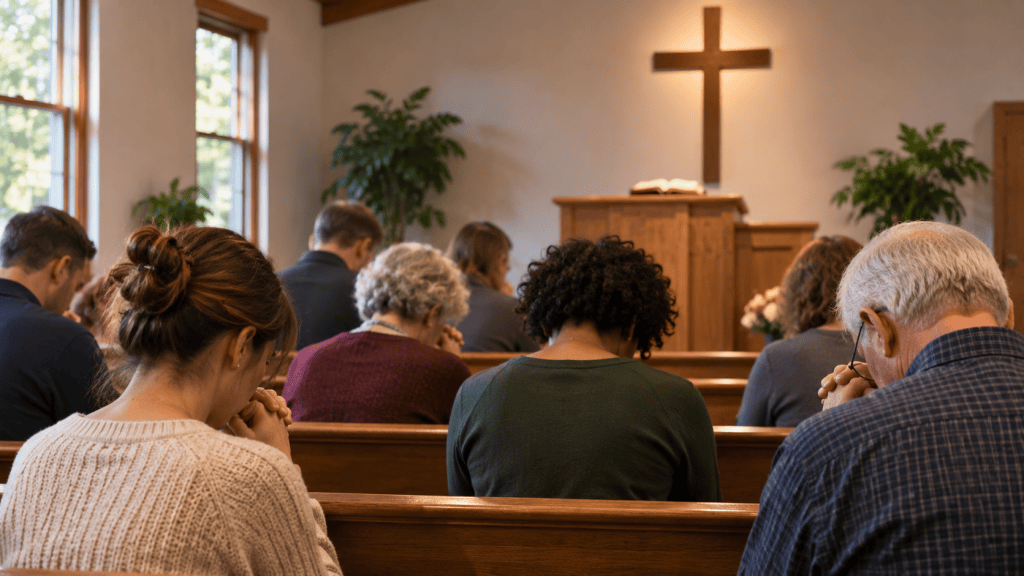
The people depicted are fictional and are not intended to represent any actual person, living or deceased. Any resemblance to real individuals is entirely coincidental.
I’ll admit, I was shocked too. I had already been praying that her execution would go smoothly, so when it failed, it confused the heck out of me. I even mentioned it to my church family on the Sabbath following asking them to pray for her, but admitting that I didn’t know how to pray for her either. Do I pray that she dies anyway since she was already critical, or do I pray that she recovers so they can try again, which seems rather counterproductive. I mean, honestly, how does one pray for a murderer on death row? So I guess we, my church and I, all just prayed that in God’s will the right thing will be done whatever that may be. But again, I digress…
The sequence of events was extraordinary.
The State of Tennessee intended to kill Christa Pike.
It followed its execution protocol through two lethal doses of pentobarbital.

And she survived, granted, with the abovementioned complications.
After the fact, Pike has commented that “she’s deeply hurt by the incompetence” of those involved in the execution attempt.
But when I first learned what had happened, the thought that made me pause was:
This feels like divine intervention, but would God ever give a miracle like that to someone who has killed someone?
Then I realised just how silly that thought sounded. God’s already proven he would time and time again in the bible, so honestly, who am I to decide who is worthy of God’s intervention?
More importantly, when did the Bible ever teach us that God’s mercy is reserved exclusively for people who have earned it? I mean honestly, if that were the requirement, none of us would qualify.
God DID say that as long as we reach out to him before death, then we will be saved, and granted, she did have her spiritual advisor with her, but I don’t think God meant that literally. Spiritually, yes, but not literally. If that were the case, this world may become ridiculously overcrowded.

Granted, unless Christa Pike chose to share this publicly, we can’t really know what was said between her spiritual advisor and her. And as nothing was mentioned in the media, we can’t even know what persuasion of faith Christa Pike even goes by, if any. But that alone has never stopped God from creating miracles either.
The Bible contains plenty of accounts of people who did terrible things, and God’s mercy wasn’t necessarily reserved for those who already knew Him or followed His teachings.
Moses killed an Egyptian. “And he looked this way and that way, and when he saw that there was no man, he slew the Egyptian, and hid him in the sand.” — Exodus 2:12 (KJV). Granted, that Egyptian was beating a Hebrew person, one of Moses’ own people but it doesn’t disguise the fact that Moses killed and concealed a body.

Source: AI generated
David arranged the death of Uriah after committing adultery with his wife. So whilst in the middle of committing what by then, was another established sin as the Ten commandments had been set in stone by several generations by then, David, whilst “coveting another’s wife” plotted murder on her husband. 2 Samuel 11: 2-5 (ESV), 2 Samuel 11:14–17 (CEV)
Saul — before he became Paul — participated in the persecution of Christians. Acts tells us that when Stephen was killed, Saul stood there approving of his death. He later went from house to house dragging Christians away to prison. Acts 8:1, 22:20 (ASV) Acts 8:3 (AMPC)
Yet God did not look at Saul and decide that his past made him unusable.
Instead, on the road to Damascus, God stopped him. Acts 9: 3-6 (AMP)
The man who had persecuted followers of Christ became one of Christianity’s most influential apostles.
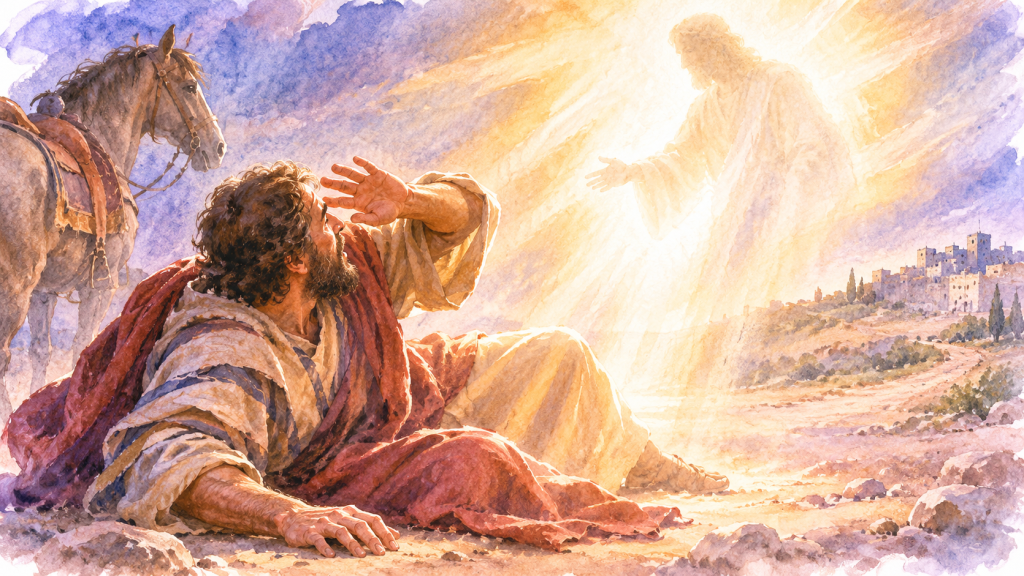
Source: AI generated
That does not mean the people Saul harmed suddenly did not matter. It does not mean their suffering disappeared. Mercy toward a wrongdoer does not erase the wrongdoer’s victims.
And then there’s King Manasseh.
Now here’s a man who really doesn’t come across as someone you’d want to invite over for Sunday dinner.
According to 2 Kings 21:16 (BRG), Manasseh shed so much innocent blood that he filled Jerusalem with it. And yet, in 2 Chronicles 33:10–13 (CSB), we learn that after being taken captive, he humbled himself before God and prayed.
And God listened.
Not because Manasseh hadn’t done anything wrong. But because Manasseh humbled himself and turned to God.
Which brings me back to Christa Pike.
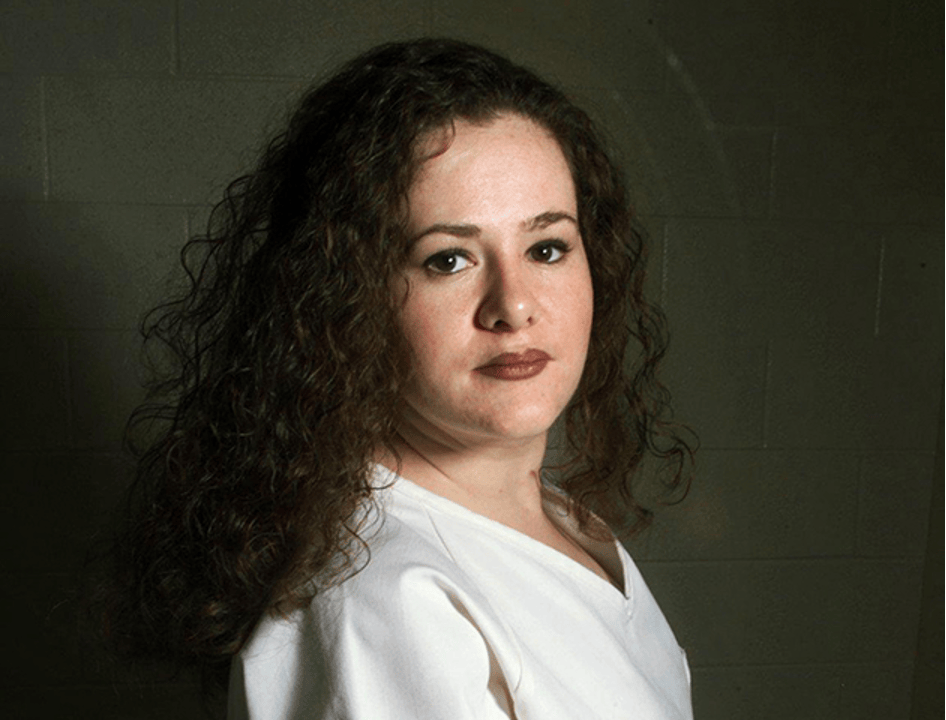
Credit: Submitted photo / Christa Pike’s legal team
Source: Nashville Banner
If God was willing to hear Manasseh’s prayer, who am I to assume that Christa Pike is beyond His mercy?
Of course, there’s one rather important difference. We know from Scripture that Manasseh repented. We don’t know whether Pike has, or ever will.
But isn’t that the point? We don’t know what God may have planned for another person’s life.
If God has extended Christa Pike’s life — whether through an outright miracle, or the extraordinary workings of the human body, through medical intervention, or through failures in Tennessee’s execution procedure, or some combination of things we do not yet understand — that would not diminish Colleen Slemmer’s life by one fraction.
Colleen mattered.
Her suffering mattered.

Colleen’s Stepfather & Mother
Source: thedaily_dossier
Her family matters.
Justice matters.
But mercy and justice are not mutually exclusive concepts in Christianity.
And let’s not forget Cain.
Cain murdered his own brother, Abel, and God certainly didn’t turn a blind eye to it. Cain was punished for what he had done.
But here’s the interesting part.
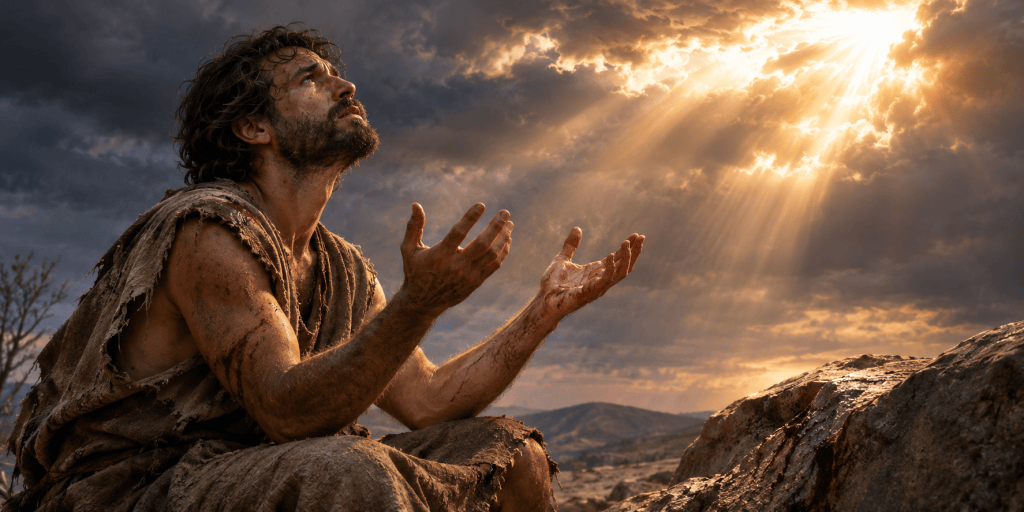
When Cain feared that someone would kill him in retaliation, God placed a mark upon him to protect him from being killed. Genesis 4:13–15 (CSBA).
Now, I’m not suggesting that Cain was innocent, or that God approved of his actions. Quite the opposite.
But God punished Cain whilst also preventing others from taking his life.
Source: AI generated
So perhaps there’s something we ought to consider here. Being spared death doesn’t automatically mean being spared punishment. And being shown mercy doesn’t necessarily mean being declared innocent.
Two very different things.
And God’s authority is not limited by our assessment of who deserves another day.
There’s another passage that I keep coming back to.
In Ezekiel 33:11 (CEB), God declares that He takes no pleasure in the death of the wicked, but rather desires that they turn from their ways and live.
Now, that’s an interesting thought, isn’t it?
We humans tend to look at a person’s past and decide what they deserve. But God also sees what that person might yet become.

(…based on this writer’s imaginings…)
Does that mean Christa Pike survived because God wants her to repent? I can’t answer that.
But I can certainly ask the question.
Because if God’s desire is for the wicked to turn from their ways, perhaps the important question isn’t simply why Pike survived, but what she might do with whatever time remains.
And that doesn’t mean she needs to leave prison to change her life. Spiritual transformation doesn’t require someone to be walking around freely in society.
There are passages in Scripture that become almost startling when read against what happened in Tennessee.
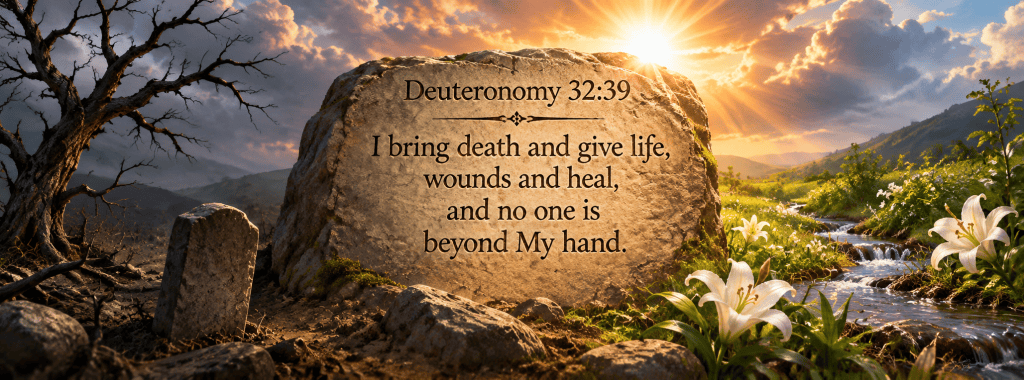
In Deuteronomy 32:39, God declares that He brings death and gives life, wounds and heals, and that ultimately no one is beyond His hand.
Hannah expresses much the same idea in 1 Samuel 2:6: God brings down to the grave and raises up again.
And Jesus says in John 5:21 that just as the Father raises the dead and gives life, the Son gives life according to His will.
These passages are not saying that Christians should refuse medicine, ignore science or label every unexpected recovery a supernatural miracle. They are saying something much bigger.
Life belongs ultimately to God.
Human beings can build prisons, pass laws, decide on sentences or offer clemency, although the latter of which never happened in Christa Pike’s case.
But human beings have limits, and too, the governing authorities.
That may be the part of Christa Pike’s story that has affected me most.

The State of Tennessee had decided the date of her death: September 30, 2026.
Everything had been prepared around that decision.
And yet, as I write this over a month later, for whatever reason, Christa Pike is alive.
There may eventually be a perfectly understandable medical explanation for why the pentobarbital failed to kill her. There could have been a whole range of reasons or a compilation that led to the outcome. The investigation may eventually give us answers.
But as a Christian, discovering a biological explanation would not automatically remove God from the story for me.
That is because I do not believe science and God are competitors. I never have believed this. Science has found ways to prove (or clarify) many of the mysteries of the bible, and in turn, through God, we have science.

If a person survives because a drug failed to reach the bloodstream properly, that tells us how she survived. It does not necessarily answer every question about why events unfolded as they did.
And I am not prepared to declare that this was definitely a miracle.
That judgment isn’t mine either.
But neither am I prepared to dismiss the possibility simply because the woman lying in that hospital bed is a convicted murderer.
Perhaps that is the uncomfortable part.
We like mercy much better when it is given to people we consider deserving.
We celebrate the cancer survivor or the child pulled alive from rubble. We call an impossible recovery a miracle.
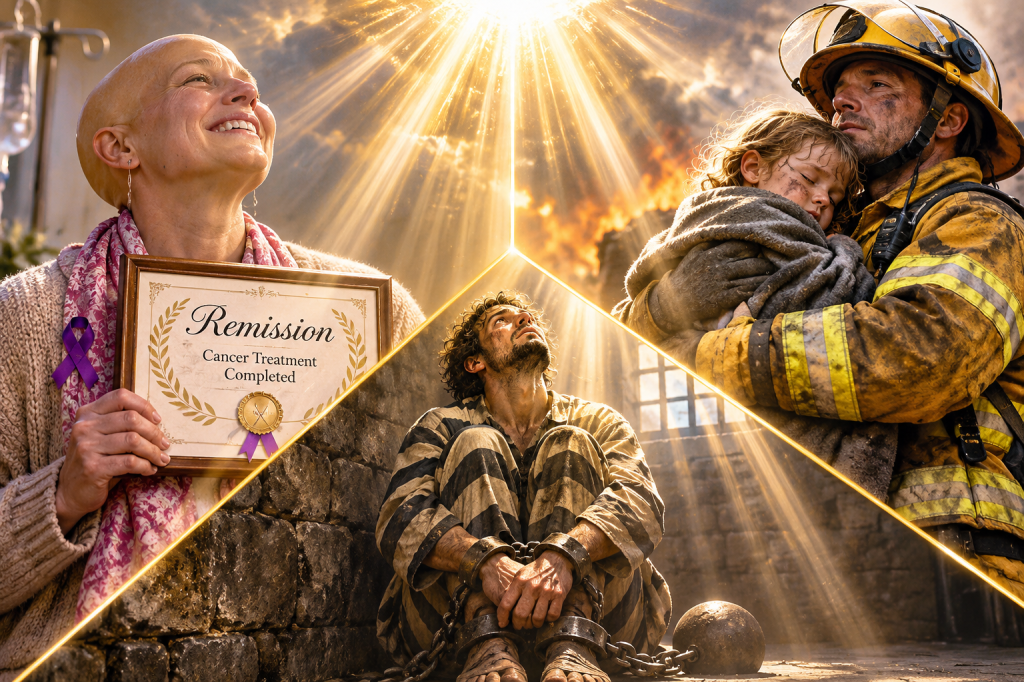
But what happens when the person who unexpectedly survives is someone who once did something monstrous?
Do we suddenly place conditions on God’s ability to show mercy?
Christianity does not allow us that luxury.
Jesus did not reserve mercy for respectable people.
The thief crucified beside Him had no lifetime left in which to repair the harm he had caused. He could not build a new reputation, perform decades of charitable works or demonstrate years of rehabilitation.
He asked.
Christ answered.
Grace has never relied on who others decide as deserving.

One thing I’ve learned, in my belated following of this story:
For more than thirty years, through various appeals and rulings, courts debated when Christa Pike should die.
The United States Supreme Court allowed the execution to proceed. The execution attempt reached its end. Christa Pike did not.
And perhaps there is another question for the rest of us.
When human beings have exhausted their authority, made their judgment and declared that someone’s time has come, are we humble enough to acknowledge that the final authority over life was never ours to begin with?
I cannot tell anyone that God performed a miracle in that Tennessee hospital.
But I can say that this extraordinary case has reminded me of something I already believed:

Governments, courts and medicine are all very powerful.
Death, to many, appears final.
But none of them are representative of who God is.
And that brings me back to Saul, because his story reminds me that God’s mercy isn’t necessarily the end of someone’s story. Sometimes, it can be the beginning of an entirely different one.
In 1 Timothy 1:15–16 (CJB), Paul openly acknowledges his own sinful past and describes the mercy Christ showed him. He even presents his own experience as an example of Christ’s patience toward those who would later believe.
The man who once persecuted Christians became someone who spent the rest of his life spreading the very faith he had tried to destroy.

Now, I’m certainly not expecting Christa Pike to become another Apostle Paul.
But why couldn’t she become someone whose life takes a different spiritual direction?
Perhaps she will. Perhaps she won’t.
I don’t know what is in her heart, and I certainly don’t know what God has planned for her.
Now, before I finish, there’s something else about this whole situation that keeps popping into my head. And I apologise in advance because my sense of humour can sometimes take a rather dark turn.
Over the past year or so, I’ve become somewhat addicted to listening to stories on YouTube about people labelled Entitled Karens, or EKs for the purpose of this discussion. (And yes, I originally went down that rabbit hole because I have quite a few friends named Karen, and I couldn’t understand how on earth their name ended up with such a reputation. I’m still trying to figure that one out!)

Anyway, for those unfamiliar with the term, an EK is generally someone, male or female, who seems convinced they have the authority to get anyone fired simply because that person has displeased them. And, naturally, they always want to speak to the manager.
Now, whilst researching articles to keep this blog as up to date as possible, I came across Christa Pike’s comments about the incompetence of the staff involved in her execution attempt.
And I couldn’t help it. My mind immediately conjured up an image of Christa, having survived the very procedure that was supposed to end her life, indignantly demanding:
“Where’s your manager?! I demand to speak to your manager because I want you fired!”
I know, I know. It’s a dreadful thing to find amusing, considering the seriousness of what happened. But sometimes the sheer absurdity of a situation produces an equally absurd thought.
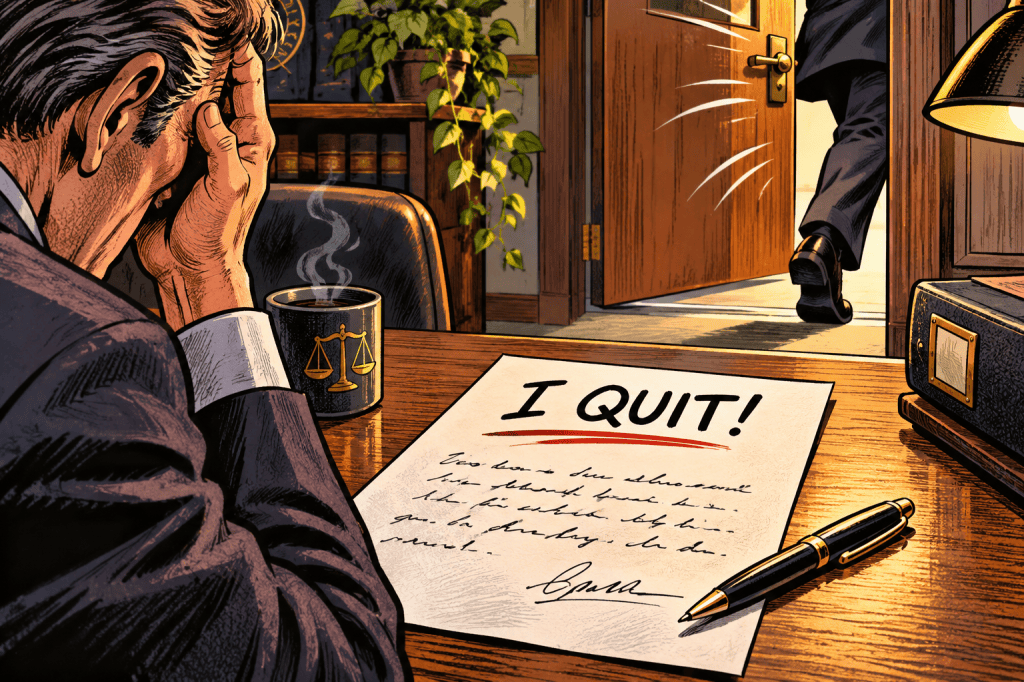
And in an unexpected twist, the Tennessee Department of Correction commissioner actually did resign following the failed execution, although that doesn’t mean Christa’s imaginary complaint had anything to do with it! As for those directly involved in administering the injections, I’ll leave questions of responsibility and consequences to the ongoing investigation.
But underneath that rather dark little image is something I’ve been thinking about throughout this entire article.
Christa Pike has every reason to be concerned about what happened to her during that execution attempt. And I’m equally concerned too, but mostly about how this affects her mental health if and/or when they decide to make another attempt, perhaps in 2027. Whatever our opinions of her crime or her sentence, what happened raises serious questions about how the procedure was carried out.

And yet, the question that matters most to me isn’t whether someone loses their job over what happened. It’s what Christa might do with the life she still has.
Because whether her survival was a miracle, a medical explanation waiting to be discovered, or some combination of circumstances we don’t yet understand, she’s still here.
And perhaps that is an opportunity worth praying about.
So I will continue to pray for Christa Pike because if, by chance, this was a gift from God, I pray she sees this, and like Paul, finds a way to make amends with her life and walk in the path of God.
Note: In this blog, I quoted many versions of the Bible because I wanted to show that no matter which version one chooses to read, they all contain God’s Word.

Now, I’d love to hear your thoughts.
Do you believe that mercy and justice can exist side by side? Can someone be deserving of punishment and still be deserving of a second chance? And when something extraordinary happens that science may be able to explain, does that necessarily rule out God’s involvement?
Perhaps you’ve formed an opinion quite different from mine. That’s perfectly fine! I welcome respectful discussion, whether you agree with me or not.
If this article has made you stop and think, even for a moment, I’d love to know which part stayed with you.
And if you’d enjoy reading more articles exploring faith, humanity, unusual news stories and the occasional unexpected bit of humour, let me know in the comments below.
Is there a particular rabbit hole you’d like to see me disappear down next? Perhaps an unusual news story, a mystery, a controversial question, or something you’ve always wondered about but never quite found the answers to.
Let me know in the comments! If it’s something I’m able to research and explore, I may just take up the challenge. I can’t promise I’ll find all the answers, but I can certainly promise to ask plenty of questions along the way!
After all, sometimes the most interesting conversations begin with a simple question.
Discover more from TigerSpirit's Corner
Subscribe to get the latest posts sent to your email.


