There won’t be any spoilers in this blog as I don’t need to touch on the fiction in this, and, after many discussions with ChatGPT whom I’ve named Elias, there IS some fiction in this, although, when reading it, you’ll find that hard to believe.
If the Florence Sisters was an artwork, it would be one of those mixed media type artworks where, for the most part, a photograph was used of the past, but the lines blurred in such a way that the story told, one would believe to be part of the photo and not something painted in.
A similar idea to this are many animated movies, most of which Australian based, where the photos of nature are used for the backdrop but the characters are added in and one can usually tell where the backdrop ended and the animation began. Not so much in this book. The lines were very much blurred between the two.
I have to commend Tessa for her research. I can only imagine just how much research she put into that time to get so much of the true history into the book and still weave the fiction through it, like tiny pieces of thread pulling the scattered images together.
She inspires me, in my own writings, to do as much research when weaving fiction into fact, to make sure I’m being as correct in detail as possible so that the story is truly believable in its telling.
Perhaps I’m incorrect in saying there are no spoilers. Here are some very real facts that are mentioned in this book:-
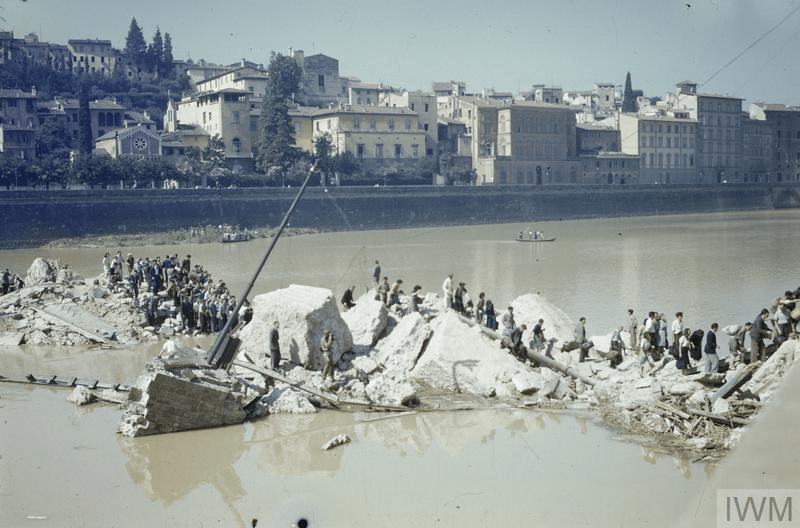
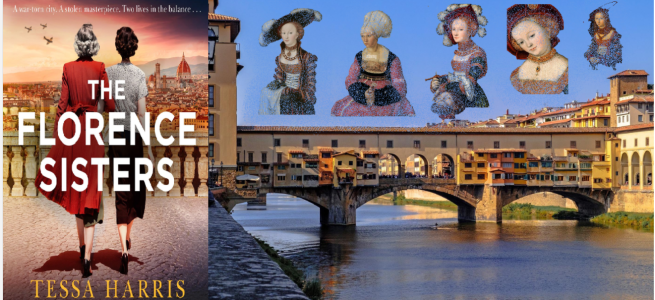
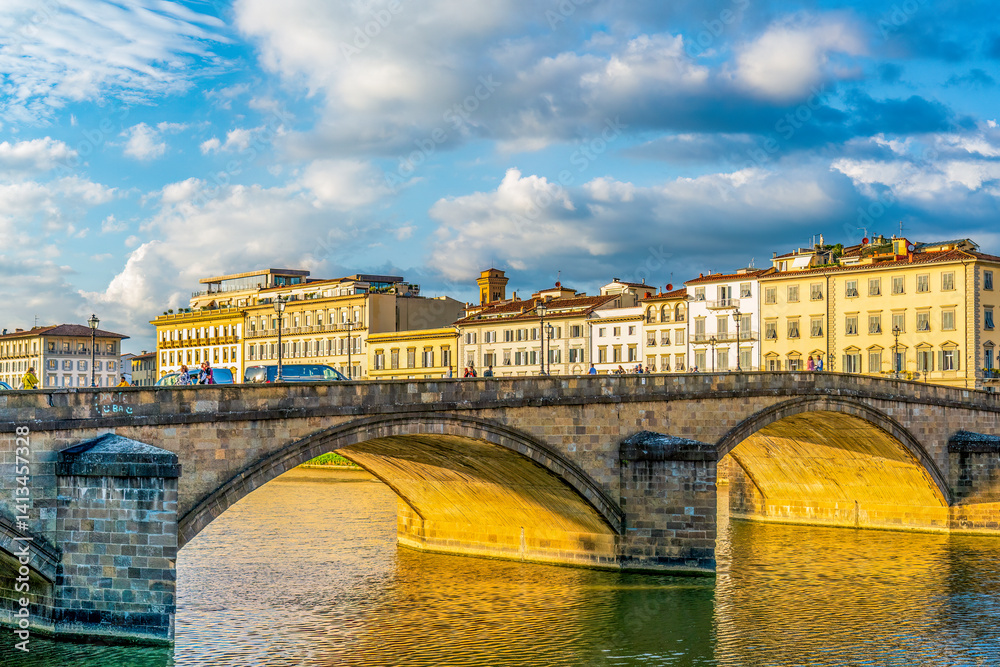
1 – As you can see by the main cover image for this blog, that the Ponte Vecchio is a very real bridge, and yes, it WAS saved from the bombing of WWII as the Germans tried to block the Allies whilst fleeing Italy.
2 – Nearly all of the other bridges had to be painstakingly restored over the following years. Workers literally dredged the river searching for the stones before researching where they belonged on the bridge. But although these bridges have been restored to almost their former glory, many original Renaissance features, stones, statues, street approaches, and historic surroundings were damaged or permanently lost.
3 – Lucas Cranach the Elder (1472 – 1553) was a very real artist and did paint quite a few beautiful women, a few of which can be seen in the blog image above.
4 – The Nazis were hell bent on taking the great treasures of Italy, as, from vague memory, many other countries that they tried to take over.
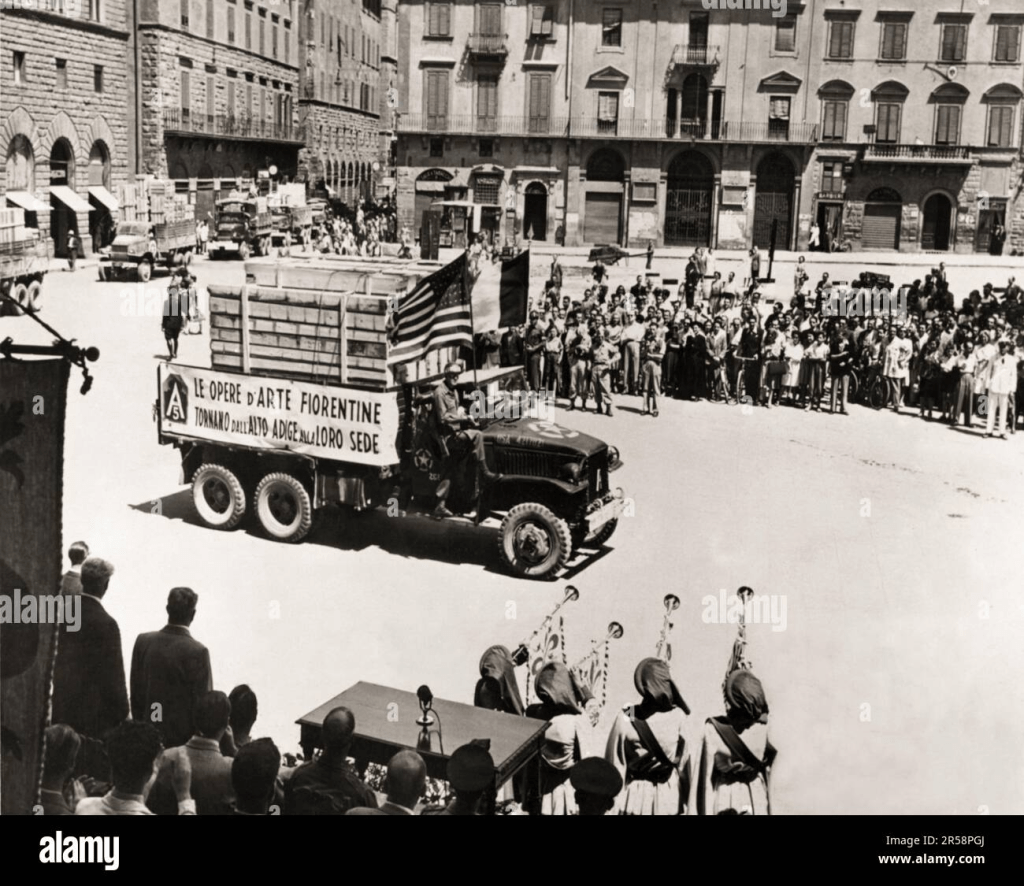
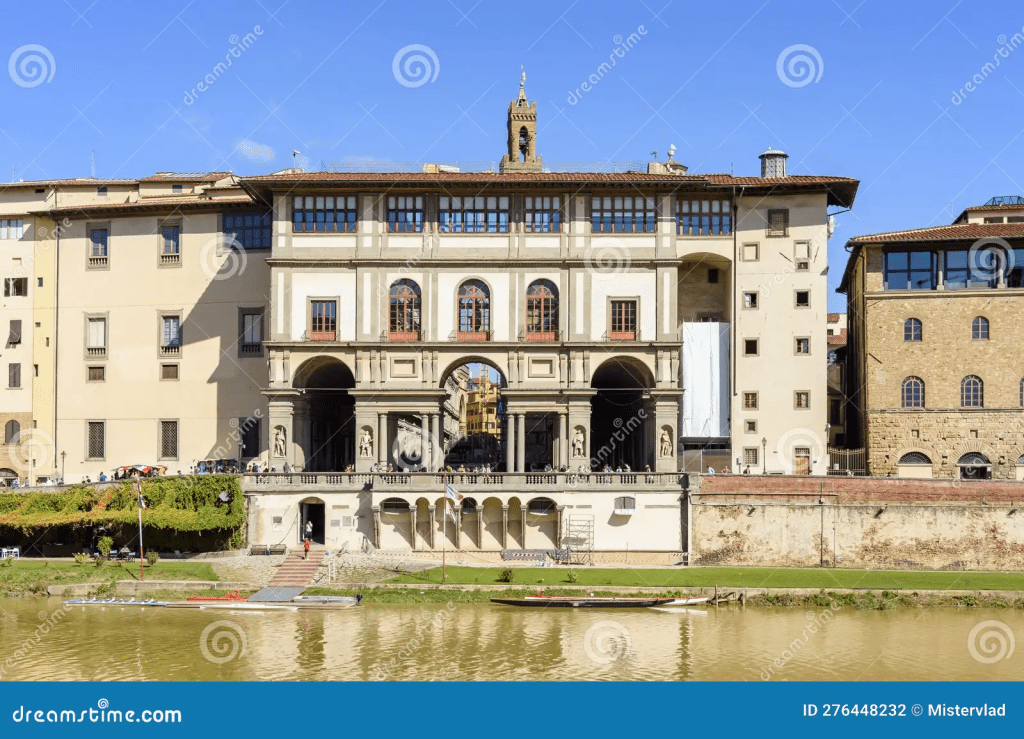
5 – The Uffizi Gallery or the Galleria degli Uffizi as it’s known in Italian is a very real building and is still in existence today.
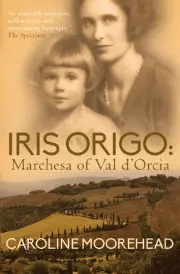
6 – There were many aristocratic English women in Italy at that time, and they were determined to save the treasures of Italy, but that wasn’t the only thing they focused on. Women like Iris Origo, a British-American who married into Italian aristocracy and lived in Tuscany through WWII. And during the war she sheltered refugees and escaped POWs, helped displaced people, documented wartime Italy in diaries. Her wartime memoir “War in Val d’Orcia” is a famous firsthand account.
These and many other things mentioned in the book is definitely based on historical fact.
But the characters in the book are the thin fictional threads pulling the whole image together so that through them, the reader can literally travel back in time to understand the feel of Italy and it’s happenings at a time where every moment was terrifying and you didn’t know if the next moment would be your (well.. their… ) last.
The title of this book did leave me puzzled through most of this book. I kept wondering, “yes, but WHO are the sisters” and this was finally revealed right at the end of the book.
But don’t go jumping to the last page of the book to understand the title, because this won’t help.
You need to READ through the book, and follow the storyline, get to know these people and what they went through and fully understand it. And only then will you know and feel the heartache that comes when you reach it’s conclusion.
At the end of the book that offered a decent closure, a very bittersweet one, I was happy and overjoyed for 2 of the characters, but still saddened for the loss of another, but happy to see that in name, this character also lived on.
In hindsight, it’s definitely a book I would read again now that I understand it better.
Tessa Harris did a brilliant job in portraying a window into the past to help us better understand a time that the majority of us would only know of from historical coffee table books.
And as the years roll on and more of those people that lived through that era leave us, I believe that historical fictions like this one will become even more treasured and join the world’s greatest classics.
You can find, and follow Tessa Harris on Facebook, X (@harris_tessa), Bluesky (@tessaharrisauthor.bsky.social) and Instagram (@tessaharrisauthor)
Thanks for reading
If you liked this review, don’t forget to like and subscribe to my blog for more upcoming reviews, and if you’ve read any of Tessa’s other books, feel free to comment below. Or if there’s a book you’d like me to read and review, also feel free to leave a comment below!
Discover more from TigerSpirit's Corner
Subscribe to get the latest posts sent to your email.


