
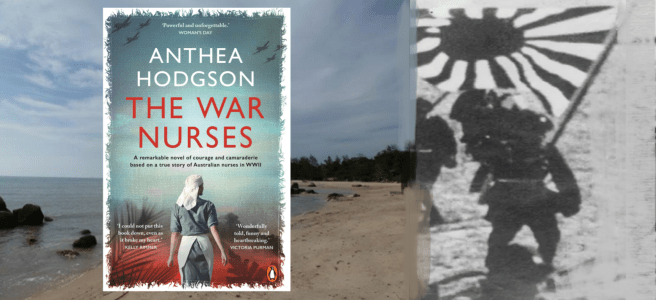
I absolutely loved this book. I’m saying this upfront because this review gets dark, really fast and warning: SPOILER ALERT if you haven’t read the book yet, BUT if you know the history of when the Japanese invaded Singapore, Bangka Island and Radjii beach especially, then there probably won’t be any spoilers in this for you.
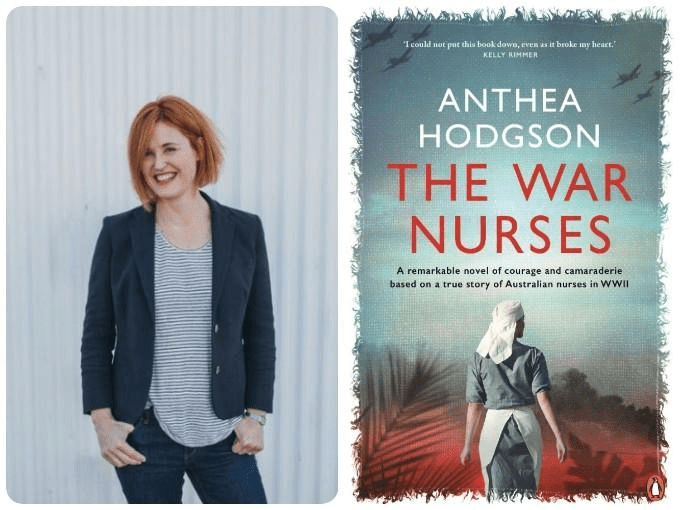
Inspired by her great aunt, the real life Minnie Hodson who died on Radjii beach that fateful day, Anthea has spent years working on this book. She wanted to keep the story alive and whilst many people won’t read history books, they will read fiction, so Anthea decided to blend the story of true Historic events, which no doubt relied on a ton of research as well as created 4 main characters who represented the nurses that were in Singapore.
I see you Anthea Hodgson, and why I do is because I’m not that type of person who reads the chapters. I also read the prologue, epilogue, Author’s note and anything else the book has to offer. That’s because I know those added pages tell me as much about the book as the story itself.
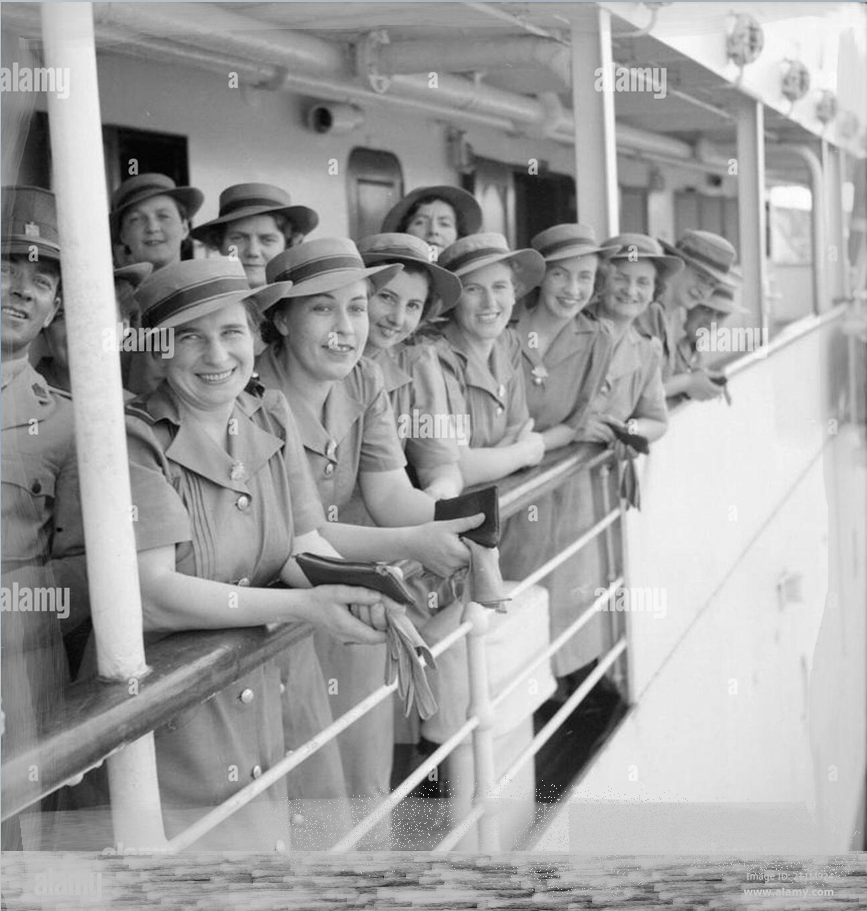
And although I was emotionally attached to Minnie, and was absolutely devastated when she died, I fully understand why Anthea chose the fate of those 4 fictional nurses the way she did. When Minnie died, I literally skimmed ahead. That scene, in my head, was cut short, and I wanted to see a positive conclusion. I didn’t want to see the ending I suspected and when that ending was confirmed, I cried for days. That’s how deeply I’d attached myself to Minnie..
After skimming ahead and not getting what I wanted, I went back to where I paused my reading and continued to follow Margot’s journey. But the grief was still there. I guess it didn’t help that recently, I had been burdened with grief due to farewelling two senior dogs over the course of two months, so that emotion was still very raw in me, and when this book touched that same level of grief, it hit really hard.
After reading this book, I went down a complete rabbit hole learning in more detail what I could about what happened in Singapore.
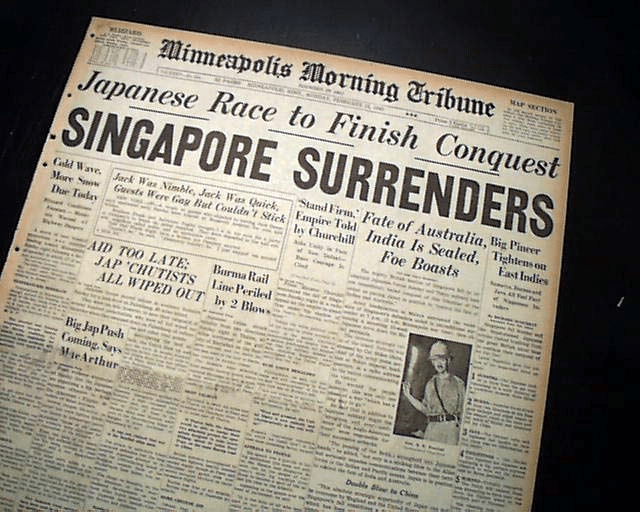
I agree with Anthea, this story can’t fade into history, it needs to be kept alive and be remembered. Why stories like this weren’t taught in school is beyond me. This tragedy is something I should have been taught when I grew up during the 1970s. I can’t believe that I’m 59 now and only just learning about this. And yes, I’m typing this review on my 59th birthday because I just really needed closure to deal with this grief that the book triggered in me.
Aside from wanting to recommend that every Australian (at the very least) should read this book, the only other way I can think of to respectfully review this book is share my answer from the Reading Group notes that can be found on page 498 of the book.
I won’t share the questions. If you want to view the questions, you’ll just have to get this book, read it yourself then offer your own answers. I will just share my answers.
My own answers to the Reading Group notes.
1. I think that basically all of this story was new to me. I mean, don’t get me wrong, I would have imagined some nurses might have died through the war. I’ve seen the nurses marching on Anzac day and knew they would have faced tough conditions but whenever I thought of war nurses, the locations that came to mind did NOT include Singapore.
With locations like Germany, Turkey (i.e, Gallipoli), and other areas frequently mentioned in my History books, Singapore was definitely one that never came to mind. So when the book took me to a school set up in Singapore, I was a little disappointed thinking, oh they’re nowhere even close to the war, so they’ll be safe throughout the entire book, until they weren’t.
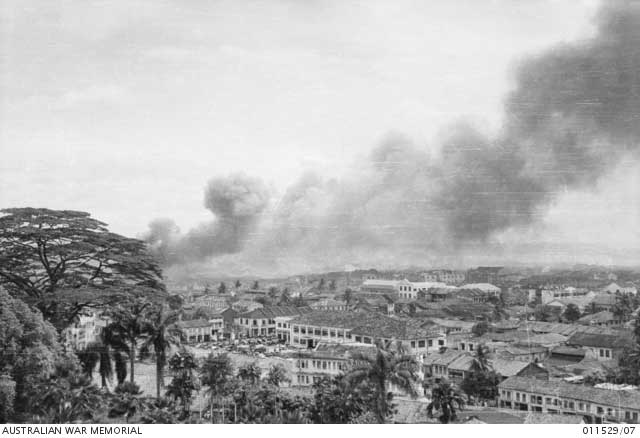
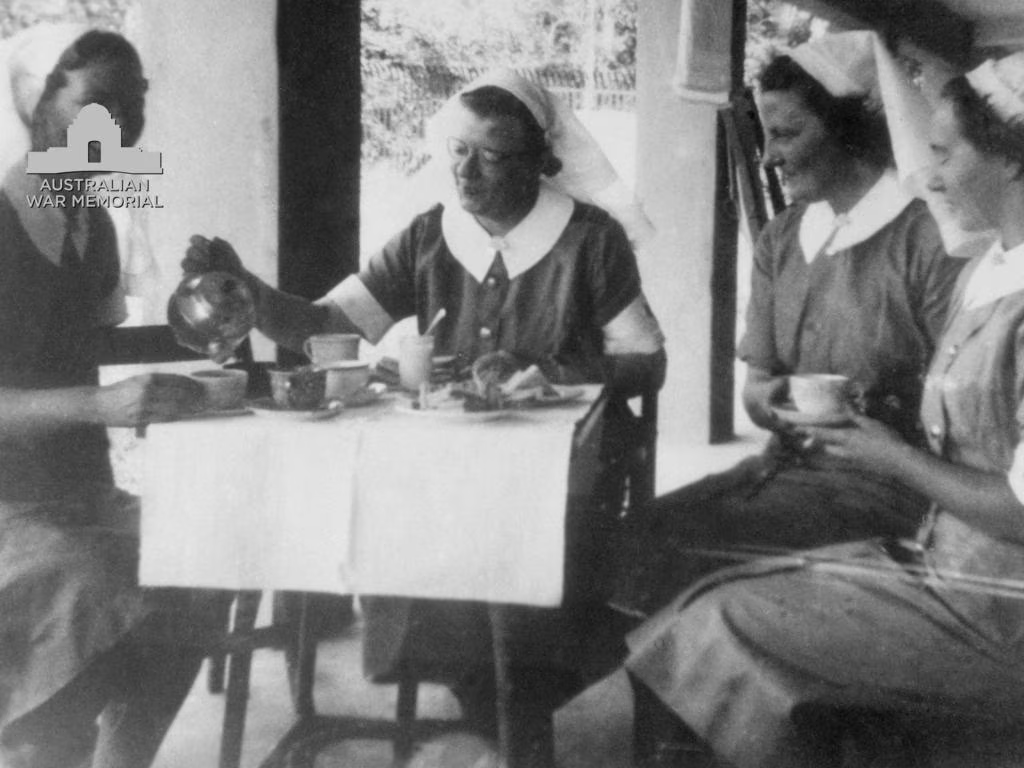
And those early moments in Singapore set up the characters for us. We got to know the fictional nurses as people in the book so that we could grow emotionally attached to them, and to, the matrons and some of the men.
I briefly questioned if this was a romance with the way Margot and Gull carried on throughout the book, but by the end of the book, I realise it was just Andrea giving us a memory of happier times with the nurses, so that later, when they were going through the hardships they went through, we, as readers, could think about those earlier days in Singapore before the Japanese invasion.
When the book changed scenes and we were on the ship, and by ‘we’, I mean me, as a reader, following the journey of the nurses, being in the story alongside them, I thought, “Oooh, getting scary, but also exciting and NOW this book gets fun!” At least until it wasn’t and then things got serious, I mean REALLY serious, with grief, constant fear for the nurses and a lot of stress took over the emotions. This book went dark really fast, and it wasn’t until this moment, I realised, REALLY realised what this book was about, why it needed to be written, and why we needed to see it.
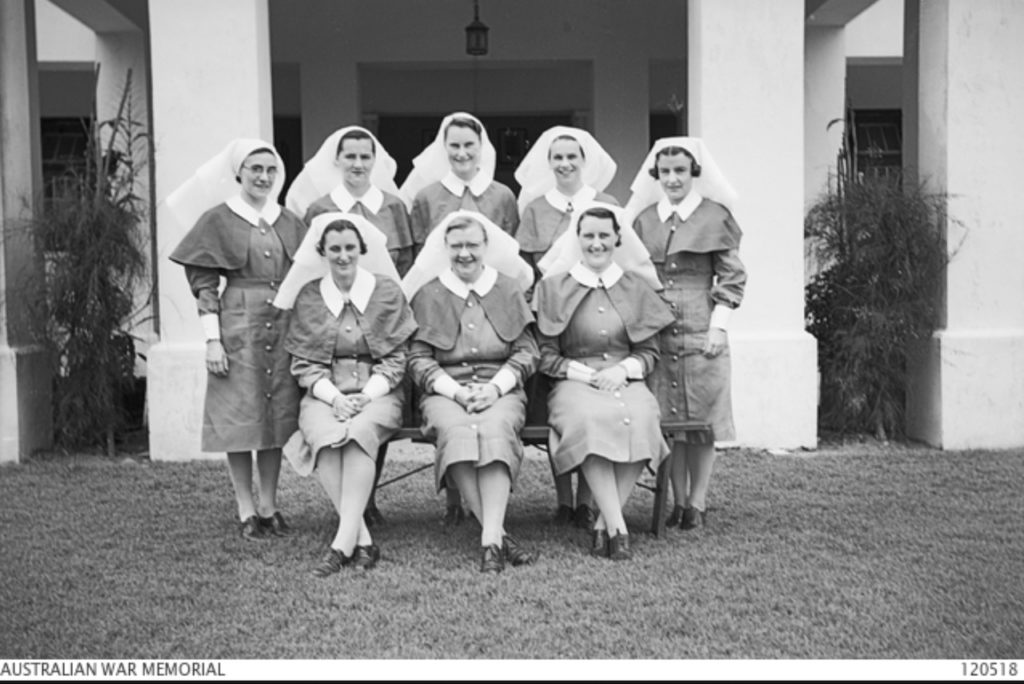
2. Minnie, Margot, Beth and Lola became such good friends because it was a shared experience for them, in the same way that the soldiers at war would have become long lasting mates or kids going to a school camp become life long friends. Shared experiences are the best way to form the closest bonds and those ones NEVER break.
Had they all lived, they perhaps would have met up once a year to reminisce and share what’s happening in their lives now. I have a dear friend, who’s like a sister to me. We met up in Christian camp as teens, and over four decades on, once or twice a year we still meet up to check on each other and see what’s happening in our lives.
3. Minnie fast became my favourite character. As much as I loved the other nurses, she seemed the sweetest, and too, the most grounded. I could see a little bit of me in her, not that our lives paralleled, far from it, but I think we would have clicked if I had lived in that era. And the fact that she lost her twin brother, Oliver, making that the reason she decided to help in the war, that just really strengthened that bond I developed in her. So when it came time for her to die, it hit me really hard and I was surprised the book didn’t end.
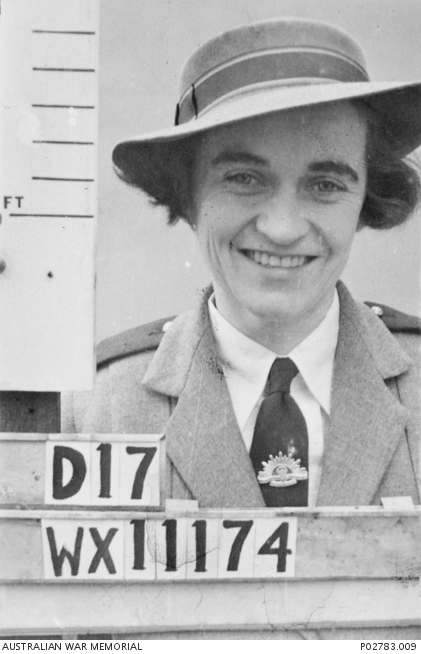
I remember thinking, as Minnie faced her death and I checked where I was in the book, I remember thinking “She can’t die yet, we’re in the middle of the book! Favourite characters don’t die before the end! She’s fictional! She’s meant to live!”
Until I continued reading and much, much later in the book, reading the Author’s note in fact, that I realised, she was a fictional version of a real life Minnie Hodson, and for this reason, she HAD to die, because that’s where the real life Minnie died. I think that’s when the grief really hit but also a newer layer of understanding.
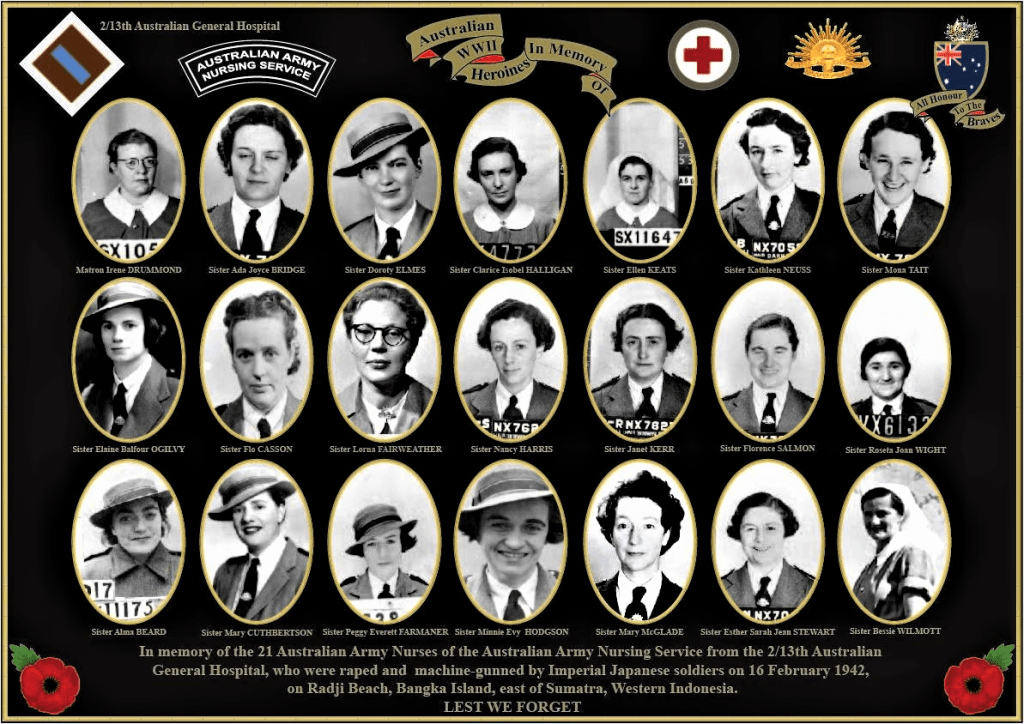
4. I definitely saw the different ways that the nurses were as brave as the soldiers they went to help. On the beach especially, they were tempted to run and flee from what was to happen, but the matron reminded them that their patients needed them and so the nurses needed to be their for their patients, so the matron felt the nurses had to stand their ground and to brace for the worst even if that outcome meant death.
During the earlier scenes in Singapore, a normal woman may faint from the combination of the high humidity, the smells, the injuries that could have turned anyone’s stomach, but instead, they powered on regardless, whether it was dressing in full uniform despite the ridiculous heat, holding their own when soldiers flirted with them, or later, trying to keep a soldier’s skull in place by holding onto it with a towel.
That final scene, walking arm in arm, waist deep into the water at Radjii beach, knowing full well that there was a machine gun being set up behind them. That alone showed just how brave they were, to a level that many others would have failed. I imagine that I, personally, would have hidden in the surrounding jungle had I had the chance to slip away unseen.
5. The women definitely exceeded their duties as nurses when they themselves either knew they were dying or felt like they were going to die, but still chose to care for those around them. Instances such as Radjii beach and the POW camps that they were sent to. One key one that stood out was when Beth accepted punishment and risked death just so that a fellow nurse could get something to eat to keep her alive.
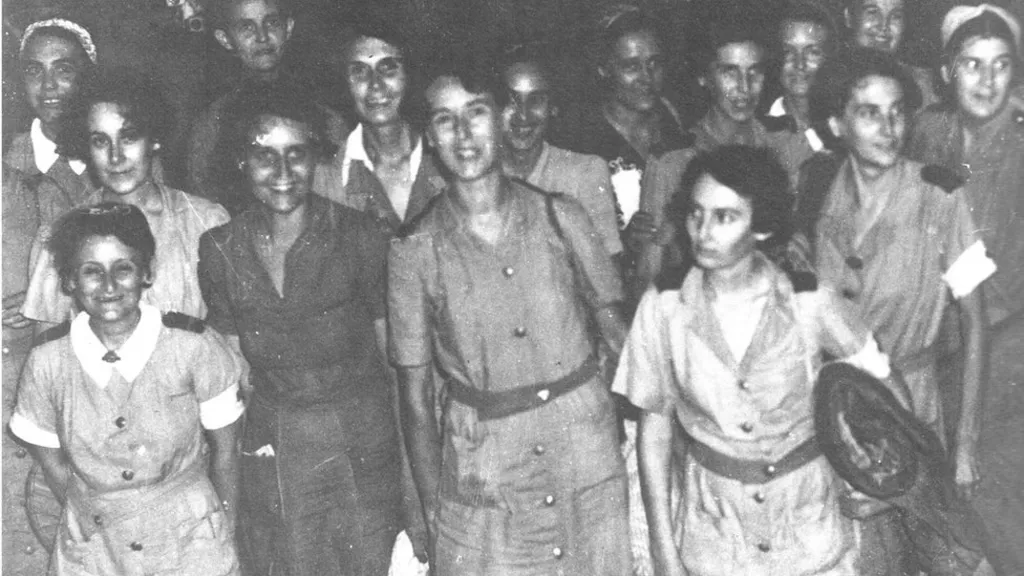
6. The nurses, perhaps, would have imagined a good war would have entailed them remaining safe in buildings away from the front where they could still do their jobs, caring for the injured soldiers whilst remaining safe themselves.
7. I loved Lola because even through the most miserable times, when the nurses were shockingly underweight, she would continue to sing, whether it was a Christmas tune or a random song that came to mind. In the POW camp, some of the nurses also briefly put together a choir for the entertainment for both themselves and the others in the camp to keep their spirits up and hopefully help them forget that food was scarce.
Through the Christmases they were there, the nurses would make something from nothing to gift to others. One nurse was making playing cards out of slips of paper for the children in the camp just so the children could have something to play with.
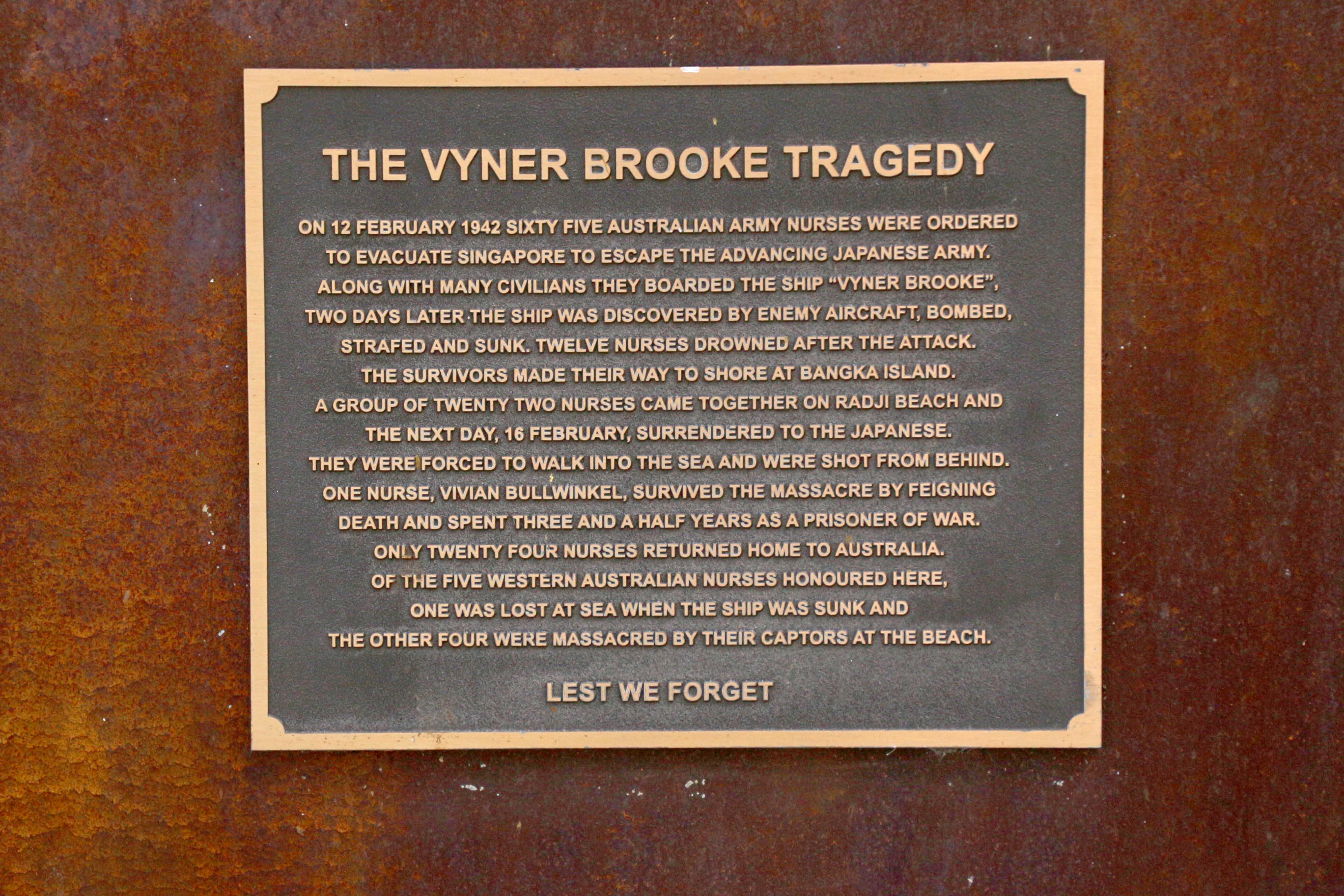
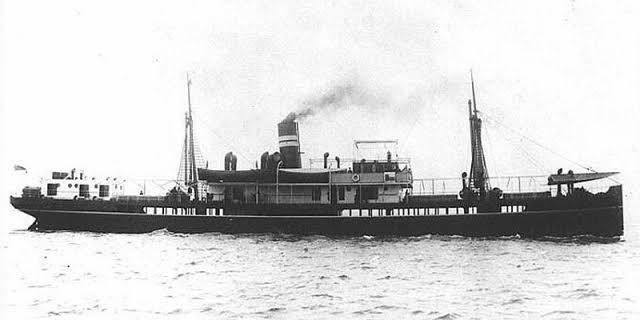
From memory, a ball was made with leaves from the plants of surrounding jungle. Or they would go bandicooting which, although extremely risky, they saw as an adventure, especially if it meant being able to have something to eat. The nurses and other interns of the camps definitely thought outside the box to use items, no longer practical like a torn piece of clothing to get creative and make something that could be very useful, something like a handkerchief.
8. I can sort of understand Margot’s fear of abandoning others being greater than the fear of her own life being at risk, but not in a life or death situation. I’m not really a people person, per se, but I AM an animal person, and I would put my furbabies lives before my own. Spending finances on their needs, be food or health, before thinking of my own needs. It might not be a life or death situation like what the nurses at war had to deal with, but it’s my own variation of putting others before myself
9. The most harrowing moment in the book, for me, would be when the ship was bombed and seeing who survived and who didn’t. I also learned an interesting hack when jumping into the water from a high up position to prevent breaking one’s neck. The most moving moment I think would definitely be the final moments of the nurses on the beach, when they knew for certain what was about to happen to them and accepted their fate.
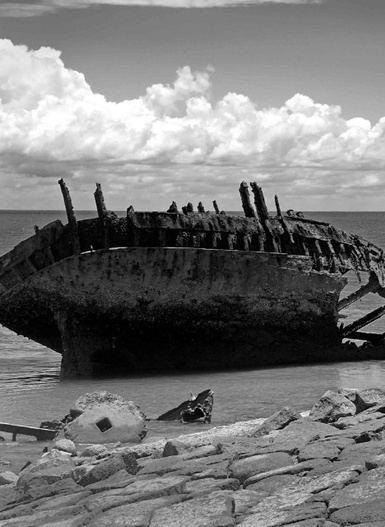
10. What Lola did in her younger years, she couldn’t forgive herself for and she knew her mother didn’t really forgive her. Growing up Catholic, she was certain that what she was going through during the war was God’s way of punishing her for her past deeds. Beth didn’t believe this and in fact, Beth showed empathy for Lola, admitting that she wasn’t perfect herself, Beth literally put Lola’s life before her own and I believe that the fact that with Beth doing what she did, knowing what it would lead to, proved to Lola that she COULD be love and others WILL love her and that what was happening to her at that time was not a punishment from God.
11. I tend to not read romances, so I plead guilty to not reading Anthea’s two other books, The Drifter and The Cowgirl, if that is what they are, but I’m hooked on Historical fiction which is what drew me to this book when I saw it stand out on a shelf in my local library.
12. I think Anthea has done these nurses a world of justice by writing this book. We just need to spread the word out there that this book exists. I love that it’s published by Penguin books which is a widely known publisher as that alone will help this book take off.
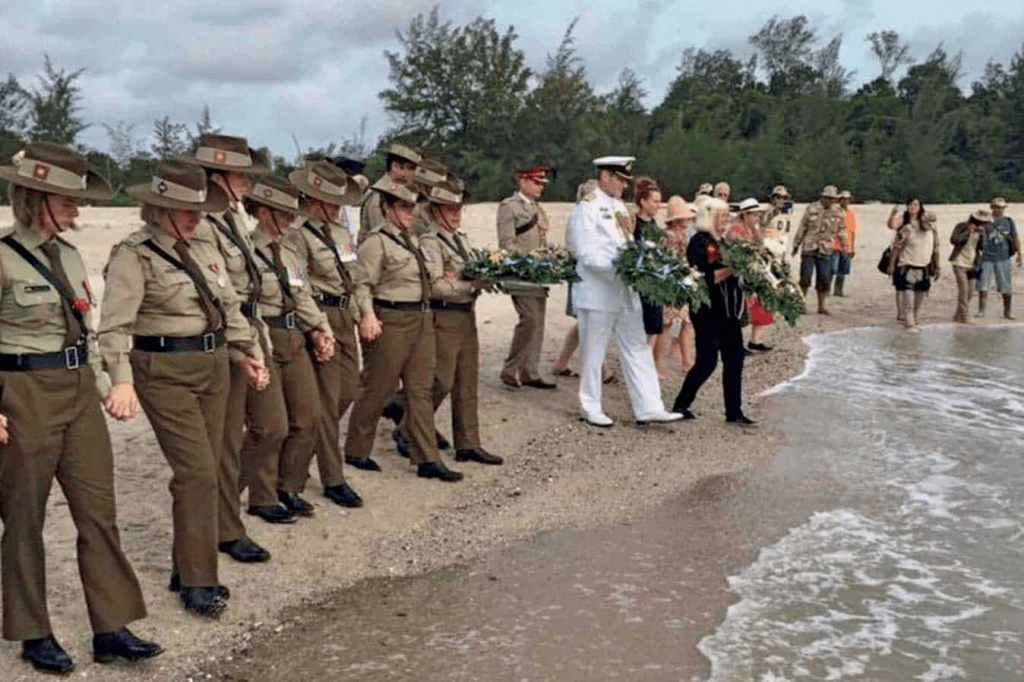
Anthea Hodgson’s The War Nurses, published in 2023, can be found on the Penguin Books website as a paperback, ebook or audiobook. You can also find it in large print in your local library which is where I found it on clear display. If it’s not there, speak to your library staff and ask them to order it in.
Alternatively, check out the libby app, which is a library app where you can add your local library to. You can also check on this app.
I can’t recommend this book highly enough.
Even if you only read one book this year, make sure this is the one.
Thank you for reading. Have you read this book yet or does this article entice you to read the book? Comment below and let me know. Please also like and subscribe, if you haven’t already, to stay updated with my latest articles.

Discover more from TigerSpirit's Corner
Subscribe to get the latest posts sent to your email.

 TigerSpirit's Corner