
A Five-Part Series on Heat, Health, and Survival
In early March of this year (2026), chatting with a friend who’s an environmental activist as well as a research/carer in one of the Northern most tips of Australia, she happened to mention the extreme cost of the flying fox population due to the rise in extreme temps. She’s not exaggerating.
The Two Days the Sky Fell
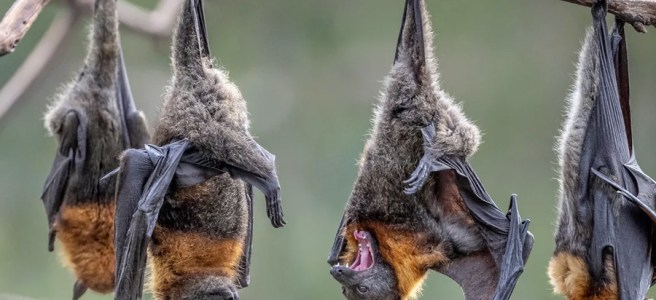
The flying fox, which is the common name for the large fruit bat in the genus Pteropus.
In this subspeces, varieties include: Black flying fox, Grey headed flying fox, Little Red flying fox and the Spectacled flying fox.
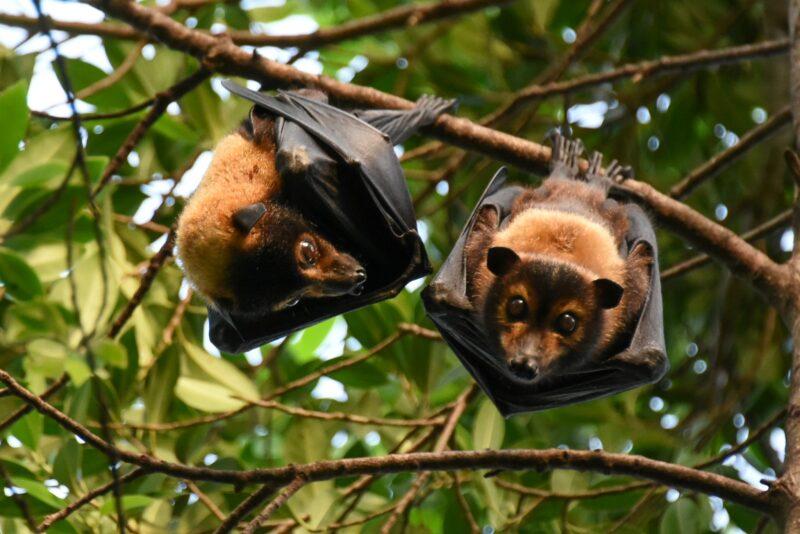
Even if we were to focus on just one of these categories, say for example, the Spectacled flying fox, we see that the effects on the colonies for this subspecies alone can only be classed as catastrophic when extreme weather hits.
November 2018, Far North Queensland temperatures exceeding 42°C. In just two days, over 23,000 spectacled flying foxes died. In some colonies, more than one-third of the population fell from trees. Mothers dropped mid-flight. Babies clung to lifeless bodies.
In 2019, the losses exceeded 27000 and temps have been steadily rising since then. So these are not isolated events.
If heat can empty the sky in 48 hours, what else is it reshaping?!
Bees Under Pressure
Ever notice that the cost of honey is rising? Here’s one of the reasons why…
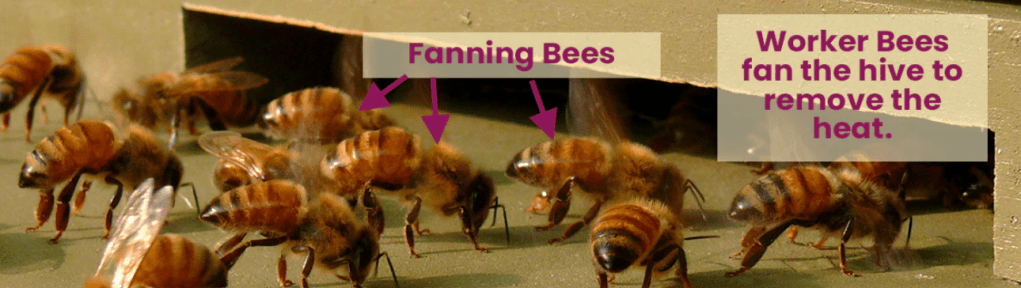
Honey bees maintain hives at 34-35ºC. So you would think that with rising temps, this would be an easier job for the bees, but this is not the case. Extreme heat actually forces workers to divert energy into cooling rather than foraging as they need to divert enormous amounts of energy to fan their wings and collect droplets of water so as to keep the larvae cool and stop them from cooking in the intense heat.
The worker bees that ARE still tasked to go foraging struggle to harvest nectar as the excessive heat means that the flowers the bees rely on produce less nectar and ultimately less pollen so as to conserve their own energy. The bees need both for survival; Nectar is the energy that fuels the adults and help them in the honey making process whereas the pollen is basically the protein needed to feed developing bees.
Basically baby food for bees and I’m sure even human mothers can tell you how difficult it is to source baby food when there’s not enough and it’s in too high a demand. But I digress…
In Australia, a particular popular source for our local bees are the Eucalyptus trees, and with rising heat creating “tinder happy” bushlands, the bushfires that these can trigger have destroyed many of the trees that our bees rely on, and these are just reports from 2019-2020.
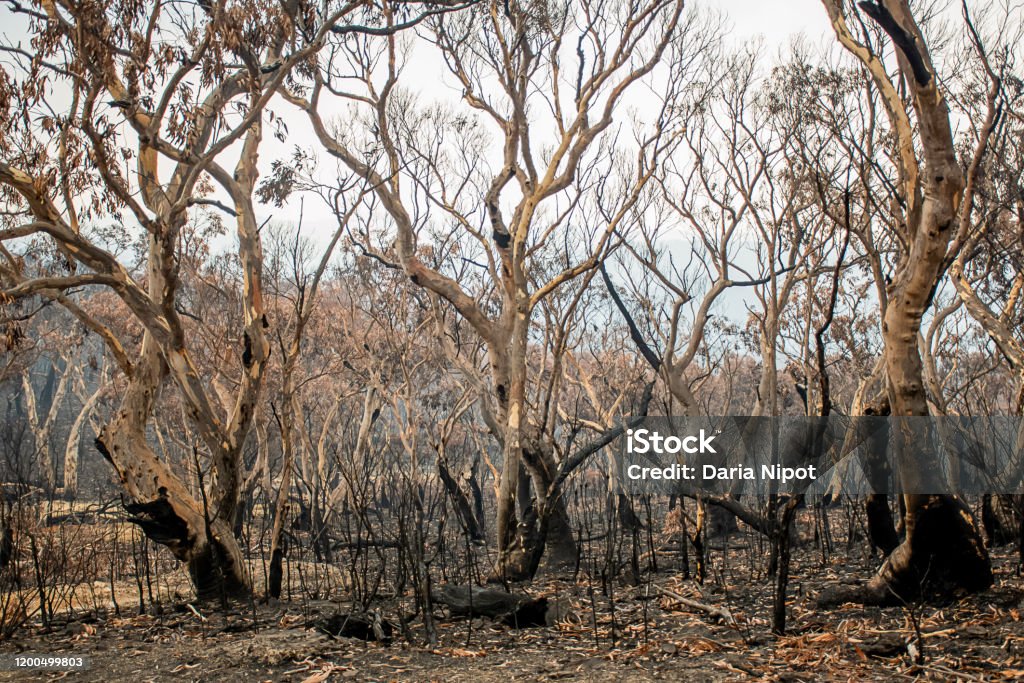
Granted, the bees have to deal with other stressors as well, such as Varoa mites, pesticides and habitat loss, but with just the domino effect from the extreme weather alone shows just how hard it is for bees to continue to be successfully productive.
This, in turn, has an overall impact, with lower honey yields, colony losses, and higher demand, it all comes down to the rising cost of honey. So the next time you add that spoonful of honey to your cuppa, spread it on toast, or adding a touch of creamed honey as your secret ingredient to a favourite savoury recipe, just remember to count your blessings that, although expensive, for now at least, honey IS still available and pray that our bees don’t become extinct anytime soon.
Heat Thriving Pests
All this rising heat DOES have a “positive” effect, but not in a good way.
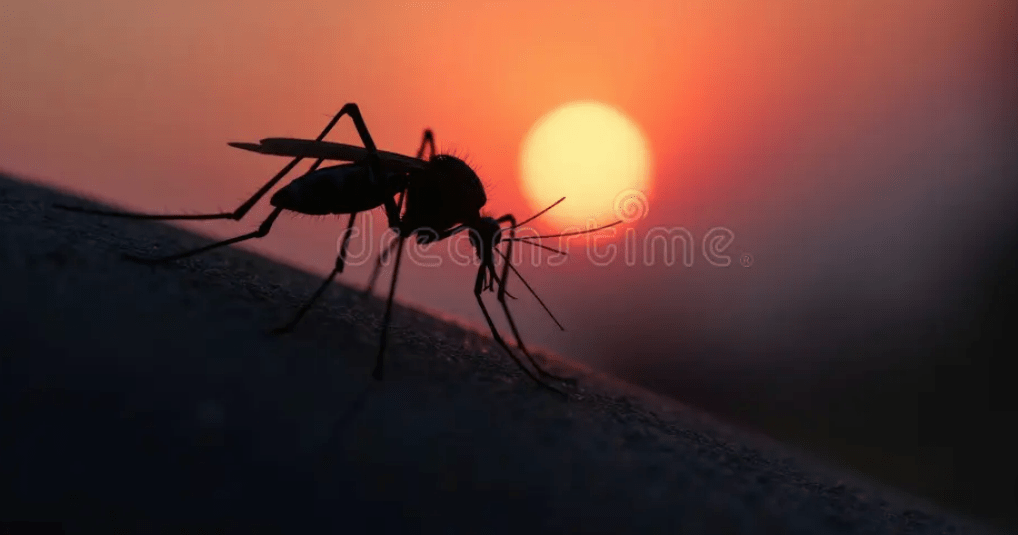
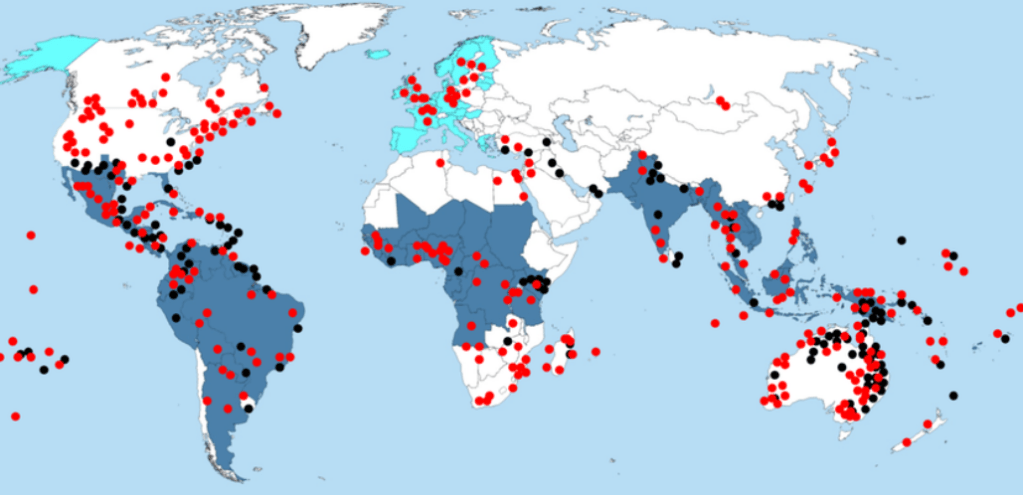
The ongoing heatwaves put us at greater risk of mosquito borne viruses such as Ross River virus, Barmah Forest virus, Dengue fever and Malaria not to mention the much rarer but still possible to contract Japanese encephalitis virus (or JEV), Murray Valley encephalitis, Kunjin virus or even Chikungunya. A couple of these are extremely rare in Australia and more common overseas.
The reason we are at greater risk because mosquitoes breed faster in the heat, and virus replication in mosquitoes speeds up. With warmer nights, risks of being bitten by them increase and the drought to rain cycles creates ideal breeding situations for mozzies.
It’s pointless trying to leave Australia to escape the ever growing population of mosquitoes because as well as countries overseas (depending on your dream destination) having: Dengue fever, Chikungunya, JEV and Malaria, there are also the following to contend with: Zika, Yellow fever, West Nile virus and Lymphatic filariasis.
Onto the next villain, with our winters becoming warmer, fewer ticks die off, more eggs survive and more larvae make it to the next stage in their life. So the one season that we heavily rely on to keep ticks at bay is no longer doing this job, or at least, not as efficiently as it used to. Then as the weather heats up, each stage of the tick develops at a much faster cycle, from egg, larva and nymph to adult (and I bet here you thought a non stop kitten season was a big problem).
With ticks running rampant, there are greater risks for dogs, cats and wildlife being bitten by the paralysis tick. Adding to that are the significant risks to human health — everything from severe local swelling and hives to, on rare occasions, anaphylaxis. Not to mention we’re the only country with a tick that can turn lifelong meat‑eaters into accidental vegetarians.
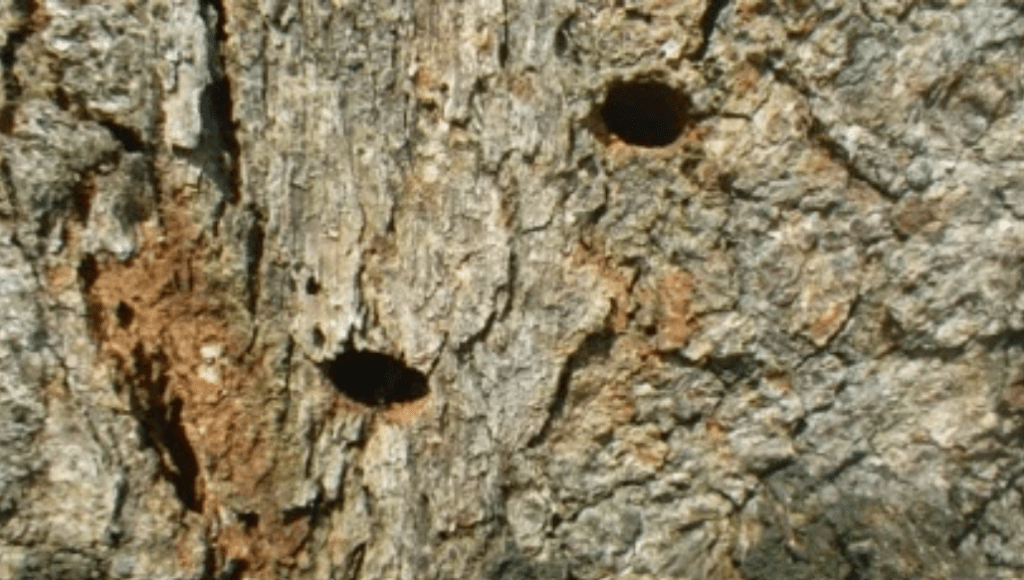
And while ticks are out there causing chaos for anything with a heartbeat, the plant world isn’t exactly relaxing in the shade either. Bark beetles might look like harmless little garden nuisances here in Australia — the sort of thing you’d find chewing through a stressed backyard tree — but globally they’ve been far more catastrophic. In places where heatwaves and mild winters have become the new normal, these beetles have exploded in number, overwhelming forests that used to keep them in check. And that’s the part that matters for us: the same heat that supercharges them overseas also gives our local species a leg‑up. Warmer winters mean more survive, hotter summers weaken the trees they target, and suddenly a ‘garden pest’ starts looking a lot more like a warning sign for our own ecosystems.
I always thought locust plagues were something that belonged in old period films — you know, the 1800s farm scenes where a dark cloud rolls in and suddenly every crop is gone. Purely historic, purely overseas, and definitely not our problem… right? Well, think again. Because in a warming world, locusts aren’t just a relic of the past — they’re a very present, very heat‑powered problem, and they’re getting bolder.
Locusts thrive on extremes. Heatwaves, droughts, sudden bursts of rain — the exact weather rollercoaster we’re now living through — are the perfect recipe for turning ordinary grasshoppers into crop‑devouring swarms. When the soil bakes, vegetation dries, and then the rain finally hits, locusts basically switch into riot gear and go on a rampage, multiplying fast and moving as one massive, hungry unit. And while Australia hasn’t seen the biblical‑scale plagues that hit Africa and Asia in recent years, the same climate ingredients are showing up here too. Which means the risk isn’t theoretical anymore — it’s creeping closer.
When it comes to pests, cane toads are one of my biggest “potential” fears. Before I knew anything about them, I honestly thought, well hey, free frog’s legs if they hop my way — easy gourmet meal! But once I learned just how poisonous they are, that fantasy evaporated fast. We can’t eat our way through this problem, and worse, they’re putting every outdoor pet at risk. One lick, one chomp, one curious sniff — that’s all it takes for a dog or cat to end up in a life‑threatening situation. And the heat? It’s basically rolling out a red carpet for them.
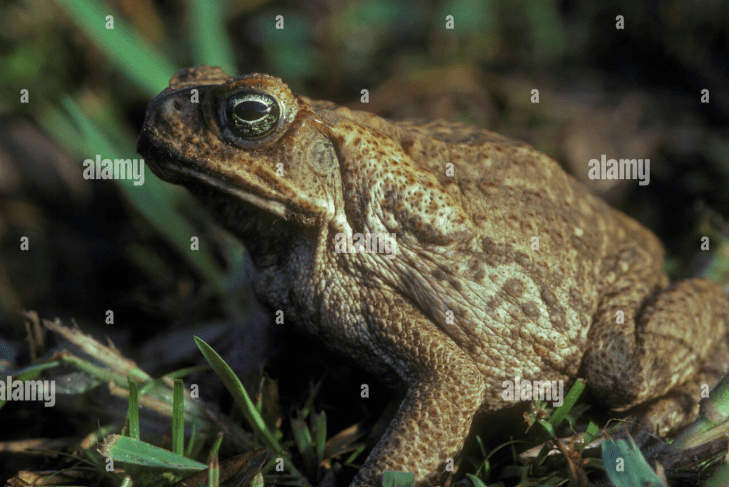
Cane toads adore the kind of weather that makes the rest of us wilt. Hot nights, warm rain, humid air — it’s their version of a luxury spa. Heat speeds up their breeding, boosts their survival, and expands the areas they can invade. They’re already marching steadily across northern Australia, and every extra degree gives them more territory to claim. And unlike most pests, cane toads don’t just compete with native wildlife — they kill it. Anything that tries to eat them gets a mouthful of potent toxin, and that’s been devastating for quolls, goannas, snakes, freshwater crocs, and even curious pets.
Just when you think that outdoor activities are off your todo list for health reasons and it’s safer to stay at home, think again…
I recently lost my home bound community support because I very briefly had a rat plague, and according to one of their terms: “due to safety guidelines around the home environment”, they will no longer visit me in my home. This is despite me completely retaking control over my home and completely eliminating the rat plague.
As well as their stigma chasing care workers away, their vandalism has cost me a lot of both personal and pantry supplies. And the only reason I even had a rat problem was due to the rats being a lot more active in this weather.

And here’s the part that stings: it wasn’t “poor housekeeping” or “carelessness” or any of the stigma‑laden nonsense people love to assume. It was the weather. Rodents go into overdrive in heat like this. Hotter days and warmer nights stretch out their breeding season, drought pushes them indoors looking for water, and every climate extreme — heatwaves, storms, floods — shakes them loose from their usual hiding spots and sends them straight into our homes. They’re tiny survival machines, and when the environment gets chaotic, they get bolder, faster, and far more destructive.
Extreme heat doesn’t slow rodents down — it gives them opportunities. More food waste, more shelter, more access points, more desperate wildlife they can out‑compete. And once they’re in, they don’t just nibble politely. They chew wiring, contaminate food, destroy belongings, and leave behind a mess that takes time, energy, and money to undo. So while the rest of us are trying to stay cool and safe indoors, rodents are treating our homes like prime real estate.
Ironically, the one upside to my short‑term rat plague was that they kept the next villain at bay. The moment I regained control of the property, the main antagonist of this chapter — whom I’ve nicknamed “Charlie Browns” because I can’t even bring myself to use their real name — began making themselves known. With the rats gone, the newly vacated real estate revealed its next unwelcome tenants: roaches. And it doesn’t matter what size they are; all sizes freak me out. The tiny round ones are just baby versions of the giant flying roaches — loners, yes, but they don’t need backup. The long, sleek tiny ones are worse: they never arrive alone. They come with cousins, second cousins, cousins twice removed, and the entire Hatfields‑and‑McCoys‑style extended family tree. When you see one, you’re really seeing the advance scout for a full‑scale hillbilly reunion.
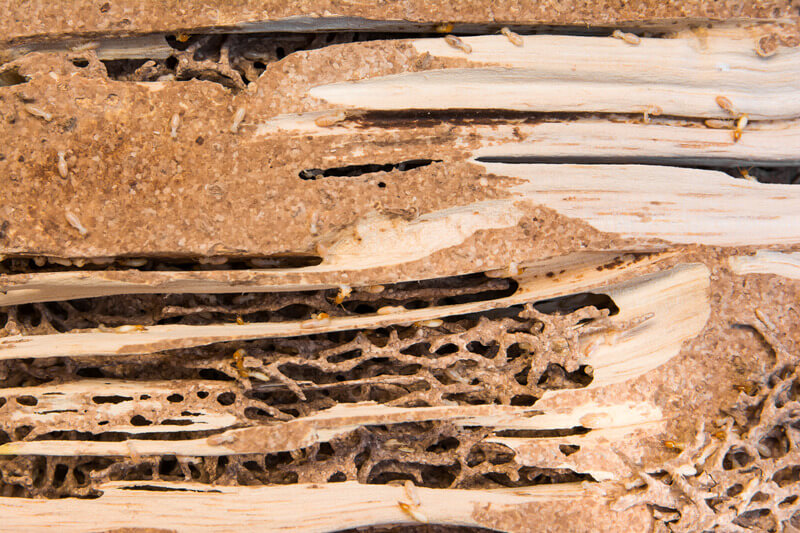
While I’m playing border patrol with the Charlie Browns in my garage, there’s a much quieter, more expensive guest thriving in this humidity: Termites. Most people don’t realize that as the soil temperatures rise, these silent destroyers kick into overdrive. They eat faster, breed faster, and move further. It’s a double-whammy for the Aussie renter or homeowner; the heat is warping our doors and windows, while the pests are eating the frames from the inside out. I know of at least one friend having a major problem with her home where the termites are literally eating her out of her house
Then there are the Spiders. Now, I actually love spiders—I’d take a Huntsman over a “Charlie Brown” any day, and I have loads of the common house black spiders thriving in my home due to the quantity of flies I have to deal with through summer. I even often share my bathroom with countless daddy long legs — but even our eight-legged allies are being pushed. We see “spider booms” after the humid heat, but when the mercury hits those mid-40s, even the hunters start coming inside looking for the same “cool core” of the house that we are. They aren’t there to bother us; they’re just another refugee from the sun, looking for a corner that isn’t baking, which is probably why I don’t see any Huntsman in my place, because my place is like an oven in the summertime, as mentioned in the first part of this series.
The Year-Round Predator
This brings me to a much larger, quieter population shift that I saw starting over a decade ago when I was still in the thick of animal rescue: the disappearing “off-season.” Traditionally, “kitten season” had a beginning and an end. But with our winters failing to get cold enough to hit the “pause” button on breeding cycles, we are facing year-round kitten communes.
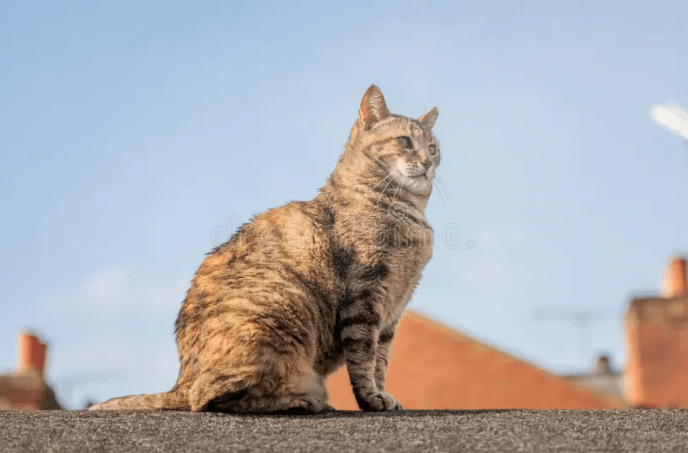
In places like Florida and right here in NSW, the heat is removing the natural brakes on the feral cat population. It’s a massive toll on our native wildlife and a crushing weight on our shelters—a growing issue that deserves its own dedicated discussion on the year-round kitten crisis, which I’ll be diving into in a future post.
The Desperation of the Apex
When we finally zoom out from our backyards to the global stage, we see that the heat doesn’t just “accelerate” the survivors; it compresses the specialists. This isn’t just about polar bears losing their hunting platforms as the sea ice melts, or emperor penguins facing breeding failures—though they ARE the tragic face of this fever.
It’s about the “Escalator to Extinction” for the Snow Leopard, climbing higher and higher to find the cold until they literally run out of mountain. It’s about the Big Cats in India and Africa being pushed out of their own shrinking habitats. When the water holes turn to cracked mud, a tiger or a lion doesn’t just give up; they follow the scent of water and “easy” prey toward human villages. Whether it’s a Dingo digging into cooler soil in the Outback or hovering on the outskirts of coastal towns further North, or a Grey Wolf following a shrinking river in North America, these apex predators are trying to adjust their hours and their ranges. But as I’ve learned the hard way with my own health and my own “furkids,” you can adjust your behavior, but you cannot adjust the laws of heat.

by Ingvar Shelly
Closing the Loop
It’s easy to feel small when you look at a planet with a fever. But then I think of my friend in the North. Amidst the reports of 23,000 fallen bats and bleaching reefs, she is currently bottle-feeding an orphaned flying fox baby. The heat took the mother, but a person with a bottle is keeping the thread of that life going.
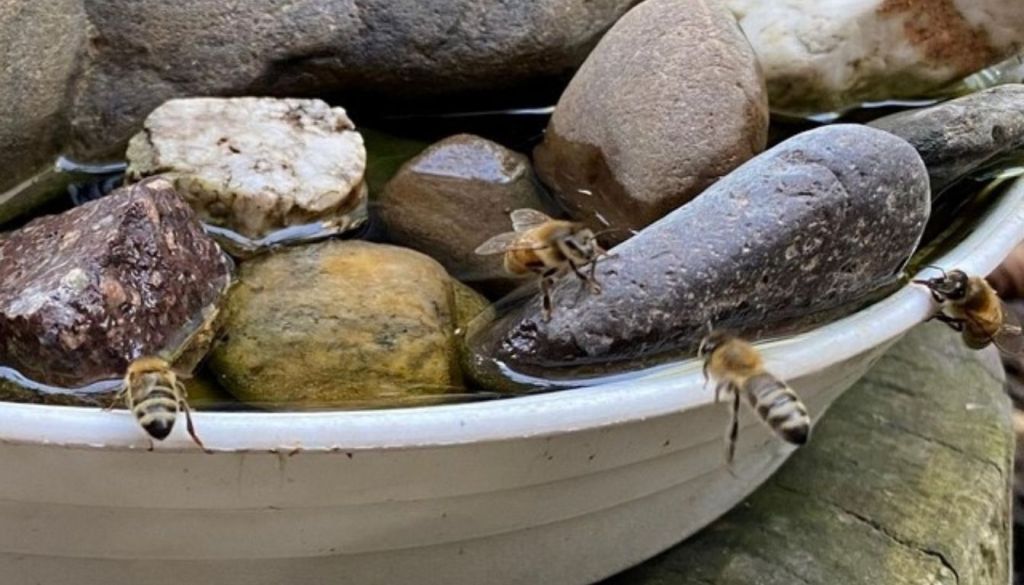
We might not be able to fix the Urban Heat Island of Parramatta today, but we can put out a shallow dish of water with some stones in it so the bees don’t drown while they drink. We can be the “witnesses” who refuse to look away.
If you would like to know more of how you can help our native locals, you can reach out to the following Wildlife Rescue contacts:
Wildlife Rescue Contacts: Australia
If you find a sick, injured, or orphaned native animal in Australia, these are the primary state-wide organizations that can coordinate a rescue or put you in touch with a local carer:
- NSW: WIRES (Wildlife Information, Rescue and Education Service) – 1300 094 737
- QLD: RSPCA QLD Wildlife – 1300 ANIMAL (1300 264 625)
- VIC: Wildlife Victoria – (03) 8400 7300
- WA: Wildcare Helpline – (08) 9474 9055
- SA: Fauna Rescue SA – (08) 8289 0896
- TAS: Bonorong Wildlife Sanctuary – 0418 227 202
- ACT: ACT Wildlife – 0432 300 033
- NT: Wildcare NT – 0408 885 341 (Darwin) / 0419 221 128 (Alice Springs)
Global Wildlife Rescue & Referral Networks
For readers outside of Australia, these organizations are major hubs. They either handle rescues directly or have massive directories to point you to the nearest licensed rehabilitator:
- North America (USA & Canada):
- Animal Help Now (AHNow): This is the “gold standard” for the US. They have a website and app that uses your GPS to find the closest helper instantly.
- National Wildlife Rehabilitators Association (NWRA): A massive central directory for professional carers across the continent.
- Europe:
- EARS (European Alliance of Rescue Centres and Sanctuaries): A network that represents rescue centres across the entire European region.
- Four Paws International: Based in Vienna but active globally, they are a huge resource for wildlife in crisis across Europe and beyond.
- Africa:
- African Wildlife Foundation (AWF): While they focus on large-scale conservation, they are the key contact for referring people to species-specific rescues (like elephants or big cats).
- Asia:
- Wildlife SOS (India): A major organization that handles everything from bears to elephants and can often provide referrals for other Asian regions.
- South America:
- Instituto Vida Livre (Brazil): They work extensively with the rescue and release of Brazilian fauna and are a key link for South American wildlife care.
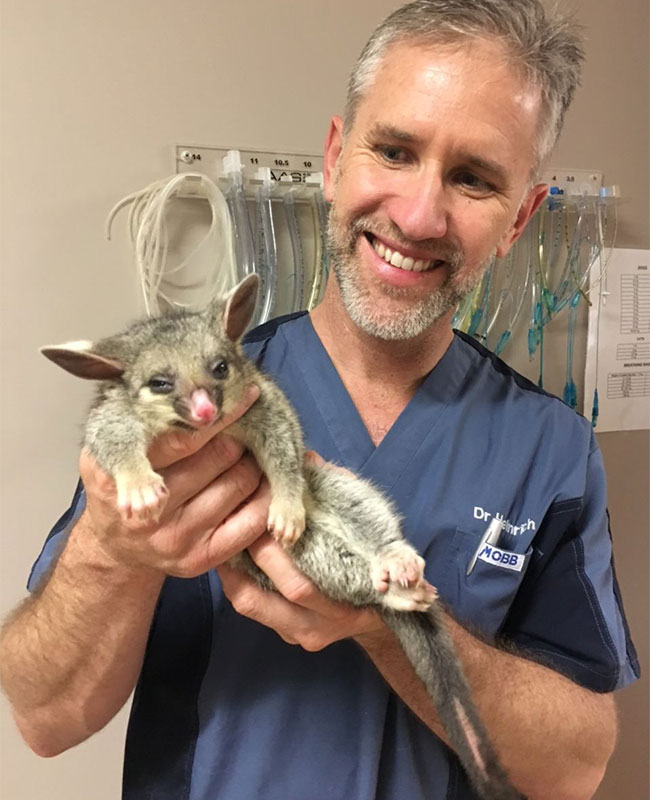
If you can’t find a specific wildlife number: Call a local Veterinarian. Most vets will accept wildlife for stabilizing care at no cost to you and will then call their own network of registered carers to take over.
Over millennia, humans have spread across the globe, learning not just to survive, but to thrive wherever we choose to live.
But in doing so, we have reshaped the very environments around us — and in that process, countless animals have been left struggling in places that were once their ideal homes.
The least we can do, as caretakers of this planet, is not turn away.
Because for them, adaptation isn’t a choice… and survival is no longer guaranteed.
Thank you for reading. If you would like to share your experiences, feel free to comment below. Alternatively, it would be great if you could like and subscribe to my blog.

Discover more from TigerSpirit's Corner
Subscribe to get the latest posts sent to your email.

 TigerSpirit's Corner