
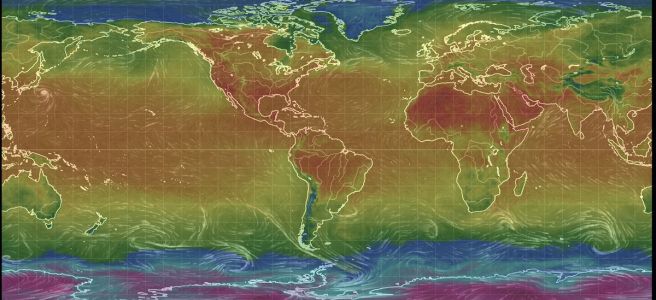
A Five-Part Series on Heat, Health, and Survival
Heatwaves in general globally and how it’s affecting our environment
As I look out of a club window on a day that’s forecast to peak at 34 degrees Celsius, I’m confused by the appearance of a heavily overcast sky with greyer clouds than expected. The type of clouds that would hint at, if not cooler temps, then muted temps. A sky like this would normally entice people to come out of hiding, to convince them it’s safe to leave their air conditioned environments and to head back out into the open.
But a friend meeting up with me mentioned that despite the visibly overcast sky, it’s definitely extremely hot outside.
I think back fondly to the summers of my youth. The summers of the 1970s would naturally be hot in the morning, although it never felt as hot as it is nowadays, at least not as I remember it.
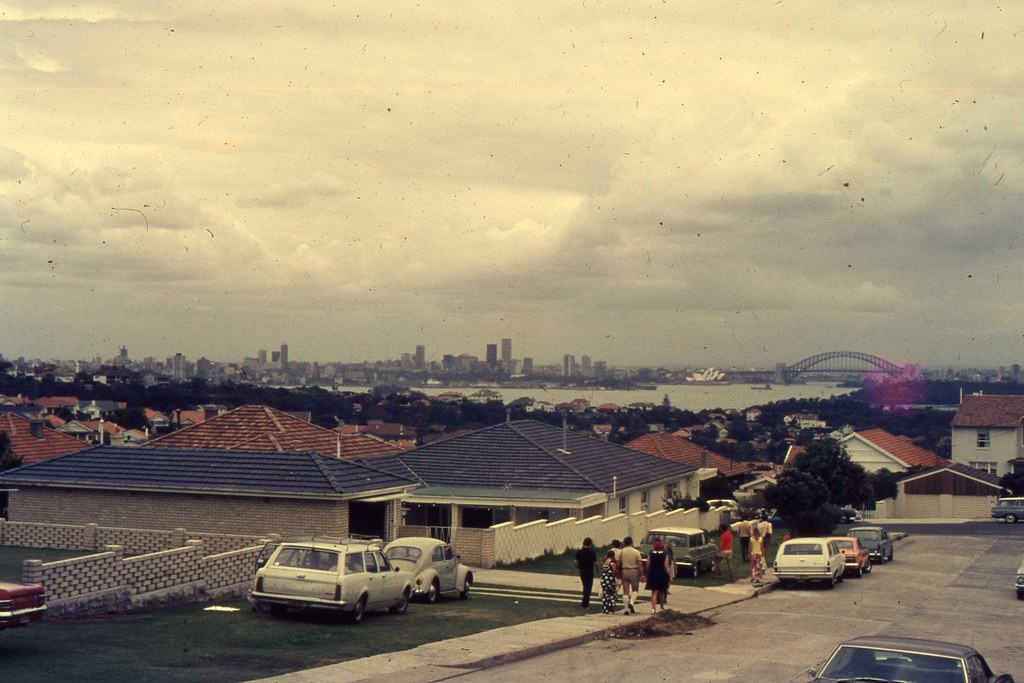
Granted, statistics from that era still suggest temps back then reaching, in Celsius, the high 30s or even the low 40s. What I do remember from back then is that there was always a breeze, if only a slight one, and even if the afternoon did peak at an uncomfortable temp, it was usually the break of a storm that, although brief and fierce, would quickly cool everything down, leaving the day refreshed.
At least, that’s how I remember my summers from my childhood. Warm to hot mornings, stormy afternoons, cool sunsets. This seemed to be the uniform weather.
I do remember that as each decade passed, the weather became a bit more stifling with less storms to regulate and humidity slowly rising, not quite to the uncomfortable levels they are now, but high enough that fashion of the 80s & 90s became more dictated by the ever-warming weather.

Back then it still wasn’t enough to create concerns as to the environment as it was still the norm. In Australia, summers were expected to be hot, on occasion, very wet, but commonly, still pleasant enough to enjoy outdoor activities and whilst it was strong enough to cause frequent sunburns, it wasn’t to the extremes that would hospitalise people, unless you were like my mother, who once fell asleep on the beach for several hours with minimum to no protection and looking like a lobster afterwards.
Somewhere after the new millenia, I remember asking, “What happened to Spring?!?” I can recall at least half a dozen times in the last decade where we went from what was recognised as Winter, to maybe half a day in Spring (if one was lucky) on the first Spring day, before it vaulted straight past Spring into Summer.
Following this new habit, I began to believe the Earth was slowly beginning to flip the poles (probably not, but it certainly felt like it) when Winter began to meld into Spring, one to two months early, which then skipped because Summer would appear two to three months early.
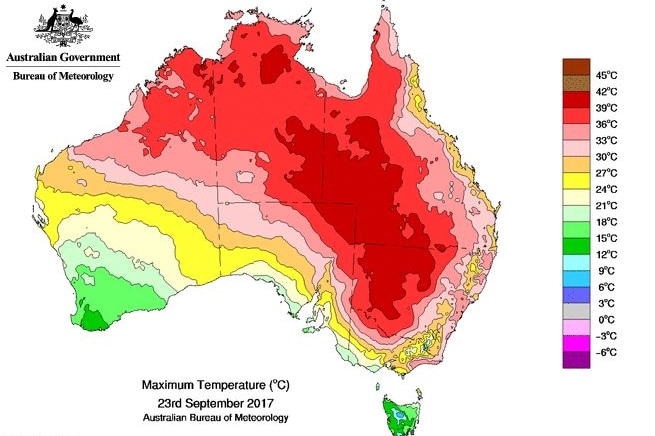
Prior to this, I remember reading that India had two seasons, both were hot, but one was wet and one was dry. We might not have had a monsoon season in the fashion that India has to deal with, but we began getting summers so hot with equally high humidity that everything felt both stifling and clammy, so it may as well be classed as “wet season”
You might think that’s just nostalgia playing tricks on memory. But long-term climate records suggest otherwise.
When Memory Meets Data
According to the Bureau of Meteorology, since 1910, Australia’s average temperature has risen about 1.4-1.5ºC with most of that warming accelerating after 1970. The past decade alone has been Australia’s hottest on record. Heatwaves have been lasting longer, occurring more frequently and starting earlier in the season.
Night-time temperatures are rising faster than daytime highs in many regions — which explains that “it never cools down properly anymore” feeling. Globally, the last ten years have been the hottest ten years ever recorded.
So what did happen to Spring?
Climate scientists talk about “seasonal shift” and “shoulder season compression.” In simple terms, transitional seasons like spring and autumn are shrinking while summer expands, hence that feeling that many would get of “I was sure Spring started this morning, but by midday we hit summer!”
And although the Earth isn’t flipping its poles — at least not in any way that affects seasons, what’s happening is far more ordinary and far more alarming: a steady accumulation of greenhouse gases trapping heat in the atmosphere, hence what many people would call “The Greenhouse Effect.”
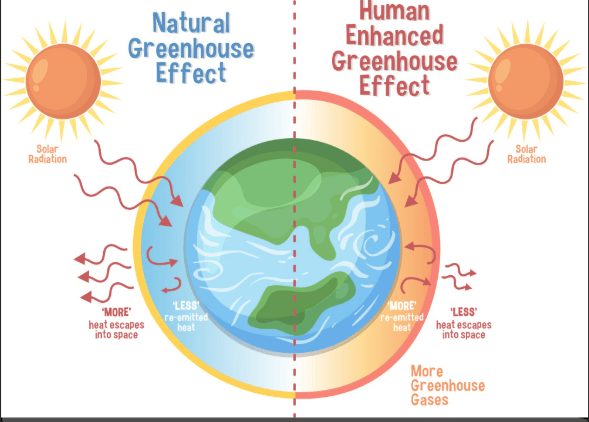
Some will argue that climates have always changed. They’re right — they have. But what makes the current warming different is the speed. Natural climate shifts happen over thousands of years. The current rise has happened over decades, and if you were to view the changes in both poles over a twelve month period, with more ice melting and breaking away from the mainland and less recovery time, it shows just how alarming those changes are.
Even in Greenland, satellite imagery shows increasing seasonal melt exposing bare ground and rock in regions once covered by persistent ice.
Urban heat island effect
The problem with these extreme summers is that it doesn’t make citizens immune.
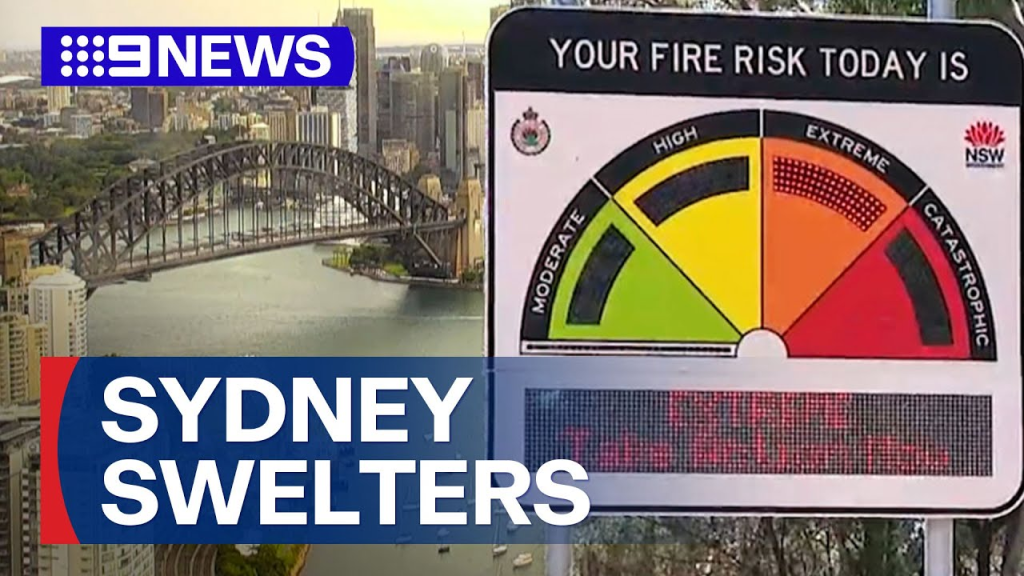
Cities, especially, would feel much warmer compared to outer suburbs as, although it may get darker earlier in the cities due to sky scrapers, concrete can still trap and store heat. This isn’t just the buildings, but the pathways and roads as well.
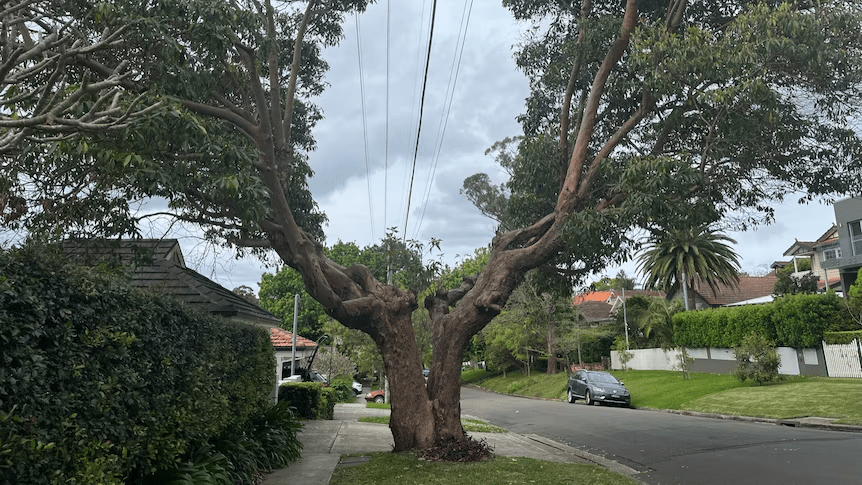
Adding to this, councils are removing as much trees as they think they can get away with so as to widen paths and roads, and make the city in general, pedestrian friendly. And granted, tree roots ARE notorious for destroying segments of pathways as I’ve noticed in some areas of Parramatta, trees are still needed to supply oxygen to help support our ever growing population whilst lessening the quantity of carbon dioxide.
Reduced tree canopy, heat-absorbing surfaces, dense construction and trapped airflow amplify already rising temperatures — a phenomenon known as the Urban Heat Island effect. These hotter urban conditions can worsen air quality and place additional stress on the human body, contributing to fatigue, cognitive strain and breathing difficulties, particularly during prolonged heatwaves.
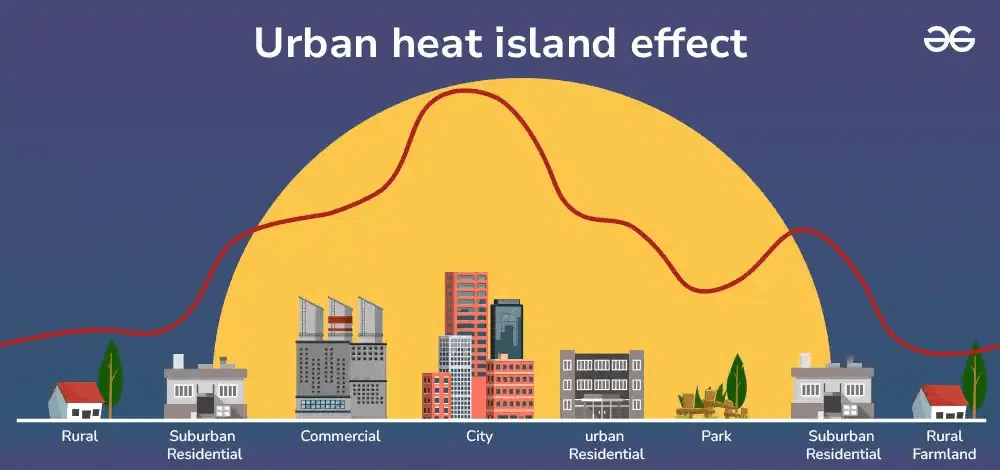
If you were to look laterally at these, when cognitive issues happen, more accidents occur due to lowered thinking and decision making skills. Adding to these, people who are asthmatics or have a low tolerance to heat, such as myself, are more likely to end up in emergency for a number of reasons.
This means that hospital wait times in emergency become longer and both staff and supplies become exhausted. All of this is exacerbated when urban planning undervalues mature tree canopy.
And in the areas where there ARE trees, they are frequently cropped to avoid power lines which is understandable, but perhaps councils should start looking at more efficient, even if a bit more costly, ways to use power lines, be they underground or along the rooftops of houses or perhaps some other way they can come up with so that trees CAN grow uninhibited without having most of their branches removed for convenience.
Adding to the lack of trees, the density of many high rises will block airflow and granted, there are some areas like near PHIVE in Parramatta, where the pedestrian walkway is wide enough to create a ridiculously powerful wind tunnel, but this doesn’t happen in most places where high rise buildings tower side by side over roads like a permanent guard of honour.
The Air Conditioning Paradox
With all this heat build up, more and more people need air conditioning units just to survive the extremes, and the catch 22 here is, those same units will also dump more hot air outside, thereby exacerbating the problem. The additional problem here is, as has been shown frequently on the news, that with more and more people relying on air conditioners, frequent blackouts occur as power supplies can no longer keep up with the demand, which again causes more risk not just to those trying to survive the heat, but also to others where electricity is vital to keep them alive, and I’m not referring to hospitals as they have generators but to people in palliative care in their own homes being looked after by family or community nurses.
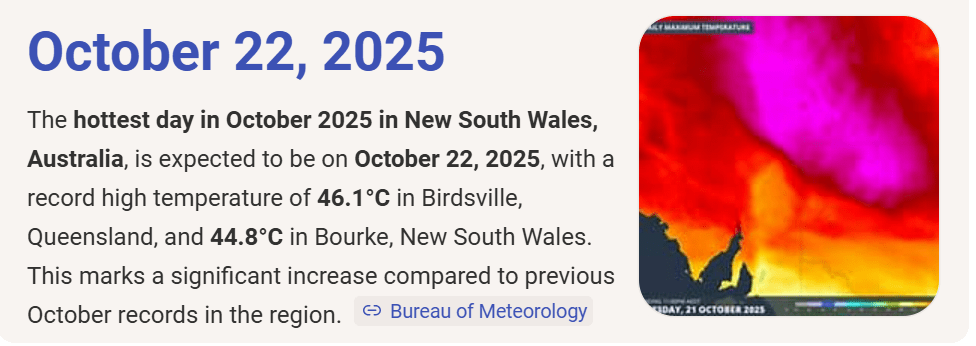
Western Sydney is actually a textbook case of this effect. Inland suburbs routinely record several degrees hotter than coastal areas. But it’s not just Australia that is struggling with higher temps. Globally, temps have been recorded well above 40ºC, for example: Spain and Greece regularly now exceed 45°C during recent heatwaves.
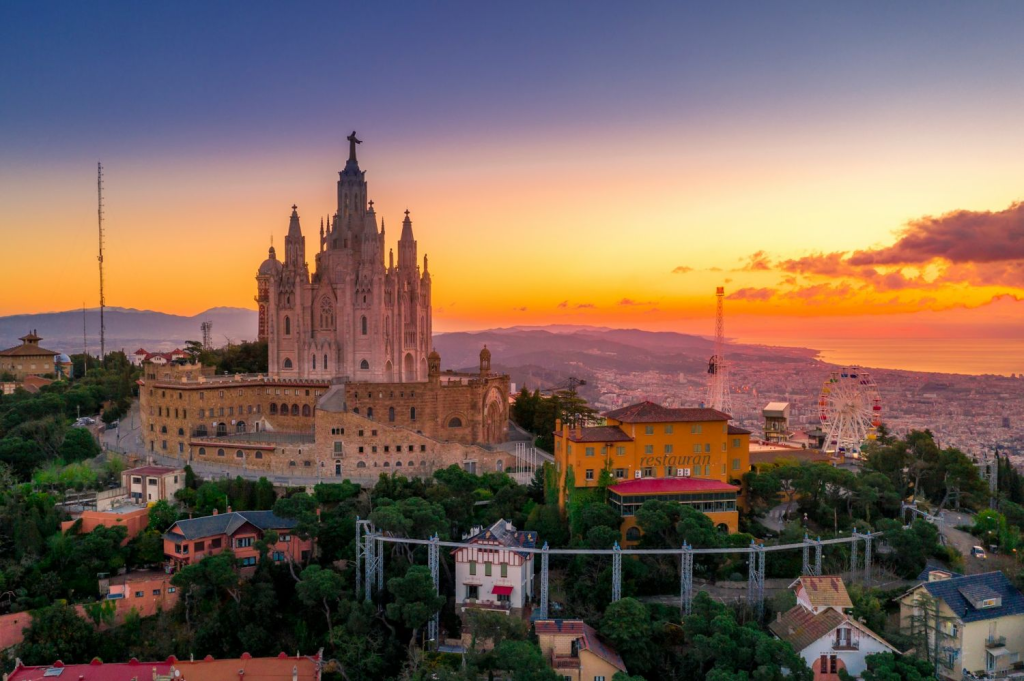
Source: weather-atlas.com
I started writing this blog roughly a week ago and paused it as life got in the way, as it does. But I’ll be spending my time in the library for the next five days as once again, temps have been forecast for 30ºC and above.
I do hope and pray Autumn comes soon before I begin to forget what it feels like to live in cooler temps.
Thank you for reading. If you’re still following this series, in part 3, I’ll be looking at heatwave effects on wildlife both local and global

Discover more from TigerSpirit's Corner
Subscribe to get the latest posts sent to your email.

 TigerSpirit's Corner