
When we think of our own life compared to the lives of animals, it seems exceedingly long if we were to compare to cats, dogs, and various other species around the globe. But if we were to compare ourselves to certain breeds of parrots, giant turtles or a few other species, then our lives suddenly feel much shorter.
Can you imagine, if there were aliens out there, and we were to come across just one species of them, a species that, one year of their time is equal to only six hours of ours. Hard to imagine, isn’t it. If their year cycle is less than six hours long, that would mean that in our single year, these aliens would celebrate a bit over 1460 birthdays! That’s a lot of cake! Bakeries on that planet would have a field day!

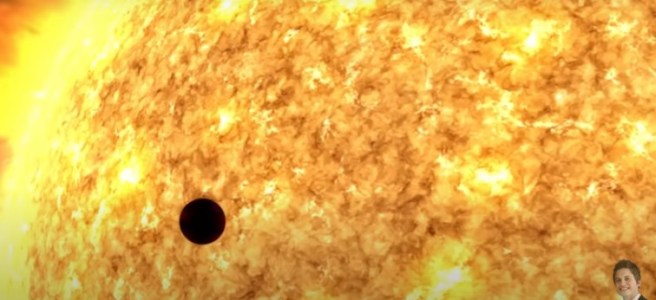
Ok, enough with the hypotheticals. Roughly, a few months back, on his YouTube channel, Anton Petrov mentioned a recently discovered planet that orbits its sun in only 5 hours! And the discovery of this planet seems to have solved a major mystery for the scientists.
If you were to Google: “An Earth Sized Planet on the Verge of Tidal Disruption”, you would come across several articles as this research paper has taken the science community by storm. If you don’t wish to Google, you could view the PDF provided by the Macquarie University here.
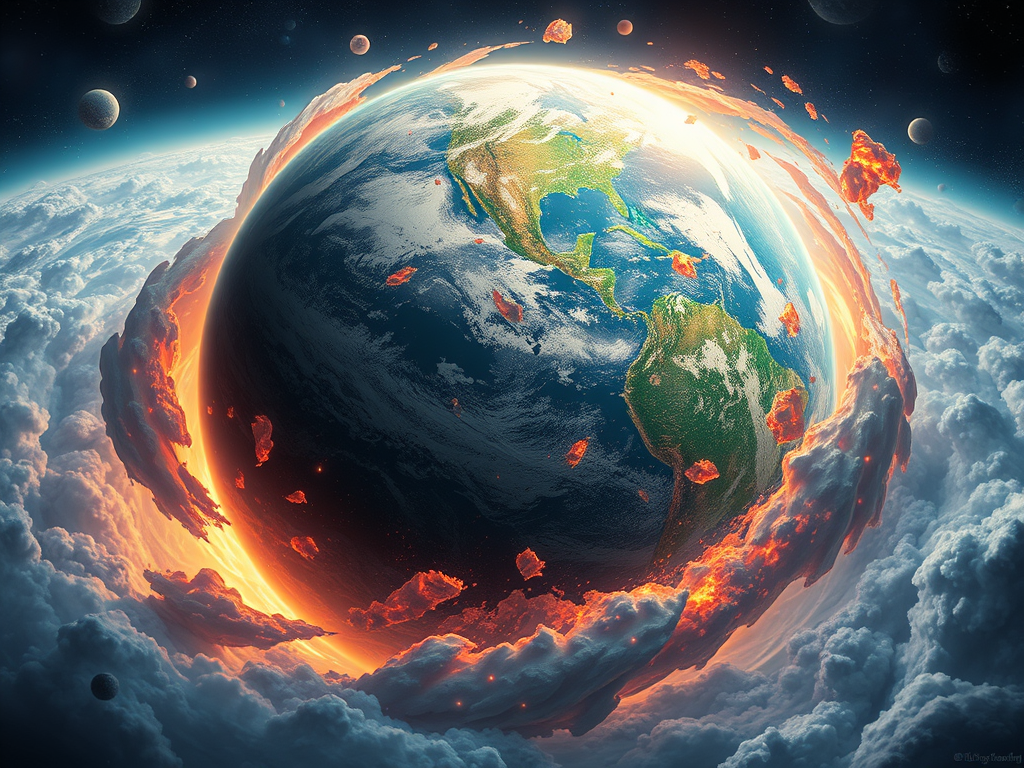
For the orbit to be so short, this would mean the planet is pretty close to its star. For this reason, scientists predict that the star will eventually absorb this planet. And apparently, the mystery that scientists have puzzled over is what is on the surface of stars in the universe. They now believe it’s the remnants of planets that have been absorbed by their stars.
Not all types of stars do this. Anton explains there are two types of stars; those that absorb their planets over time, and those that don’t. It depends, I believe, on whether or not the planets get too close. Some stars will have planets that stay in a set orbit whereas other stars have planets that, over time, spiral close to the sun.
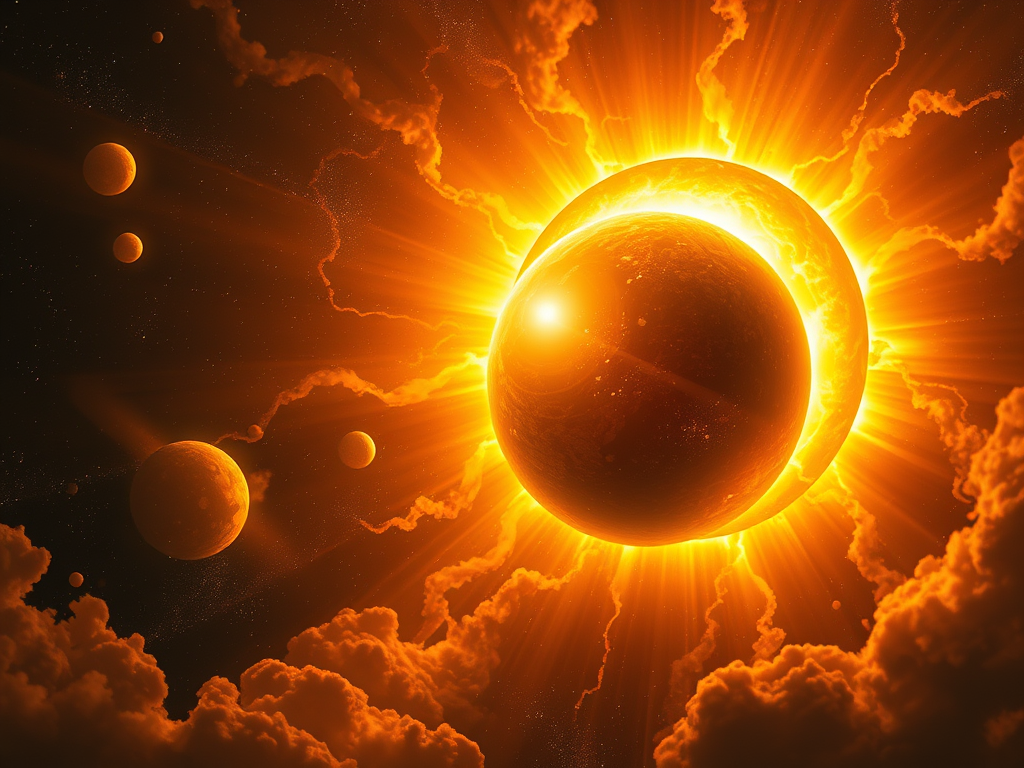
Bad news, scientists believe that at one stage, we had an extra planet, but that has since been absorbed by our sun.
This got me to thinking… Does this mean that we have to “move house” anytime soon? As in leave this planet and move to the next one in line? I mean, think about it! We’re currently the third planet from the sun.
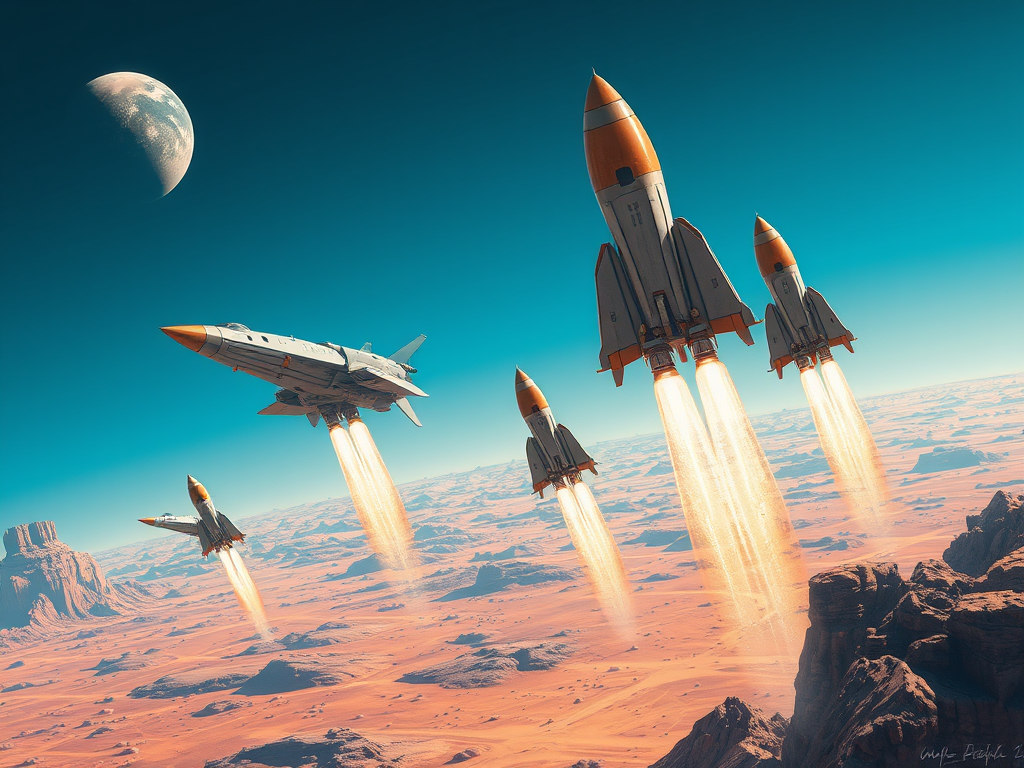
I get now why NASA and many scientists obsess over Mars. Scientists have known for a very long time that the orbit of our planets, all the planets in fact, spiral gradually closer to the sun, not by much, but enough for scientists to notice the calculations in distance.
Earth is currently in a “window” where the conditions for us are ideal, but for how long? How many centuries do we have before scientists decide, “Ok, time to pack our bags. Mars seems habitable now and Earth is becoming uncomfortably too hot, even in winter, so best we take a bit of a step back from our sun.”

It also has me questioning our past. At one time, were our ancestors living on Venus? Or even Mercury? Or is it that as planets become habitable, life re-evolves (or, for religious folk like myself), God recreates mankind in his own image in the hope that we’ll be less aggressive this time around.
Who knows, this could also possibly explain many ancient structures that some even admit to being “unearthly”.
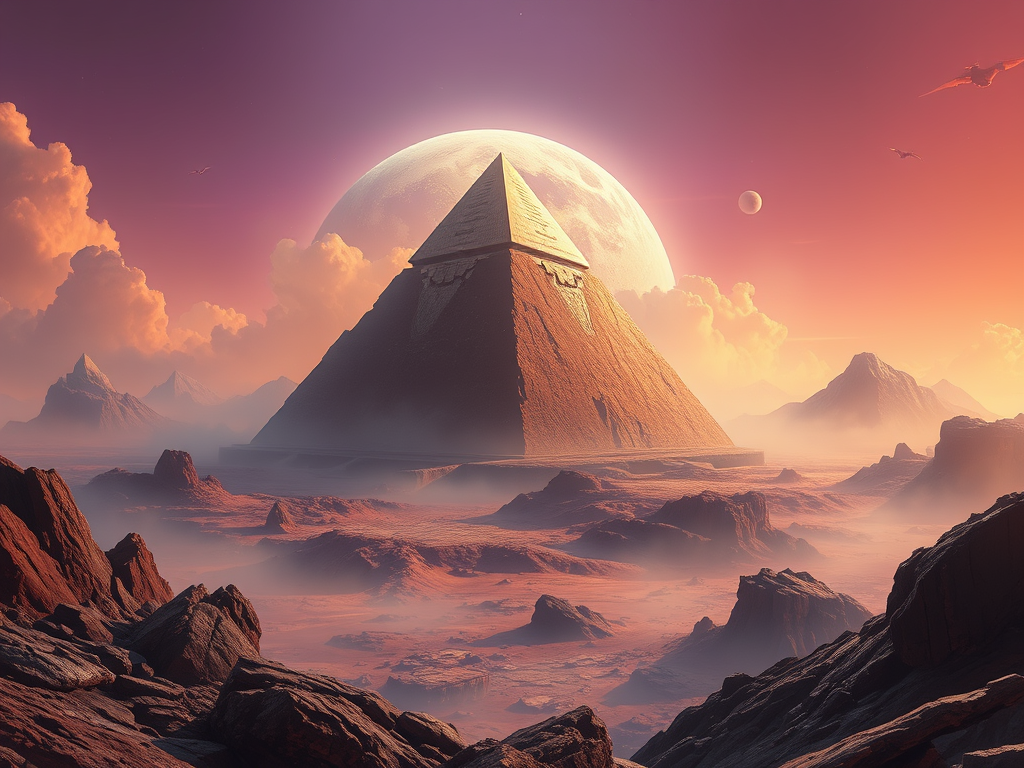
And a final thought, could there have been pyramids on Venus at one time.
Please share your thoughts in the comments below.
Thank you for reading.

If you enjoyed this post, don’t forget to like and subscribe if you haven’t already done so.
Credits: Feature image by Anton Petrov vie his YouTube clip. All other images are from AI.
Additional credits: Inspiration for this post has to go to Anton Petrov, who’s clip on recent research papers led my mind to wander. The link to his YouTube channel can be found earlier on in this post.
Discover more from TigerSpirit's Corner
Subscribe to get the latest posts sent to your email.

 TigerSpirit's Corner